Brigadier General Musa Uba: Nigerian Military Hero | Tribute
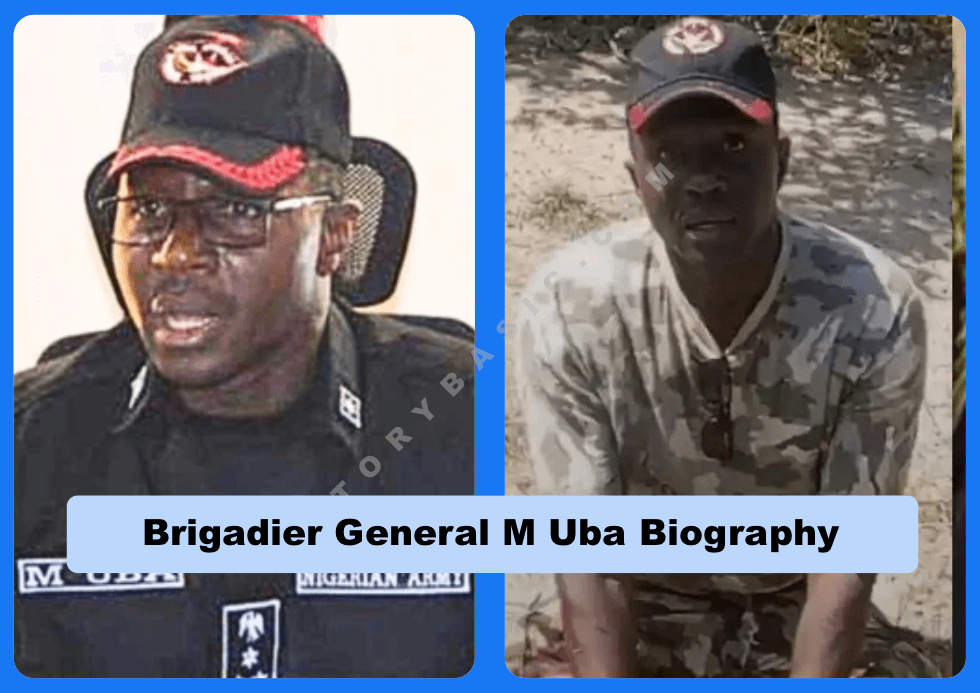
Honoring Brigadier General Musa Uba, Commander of 25 Task Force Brigade, who gave his life fighting ISWAP terrorists in Borno State, Nigeria. A legacy of bravery and dedication.
- Key Information Of Brigadier General Musa Uba At a Glance
- Early Life and Military Foundations
- The Making of a Soldier: Nigerian Defence Academy Journey
- Military Career: Rising Through the Ranks
- Early Deployments and Service
- Promotion to Brigadier General
- Commander of 25 Task Force Brigade
- The Final Mission: November 14-15, 2024
- The Patrol Operation
- The Ambush
- Separated and Hunted
- The Role of Social Media: A Deadly Leak
- Capture and Execution
- Character and Leadership Style: Remembering the Man
- A Leader Who Served His Troops
- Courage and Composure Under Pressure
- Presence and Strength of Character
- Personal Life: A Private Man of Family Values
- The Damboa-Biu Axis: Understanding the Battlefield
- Geographic and Strategic Challenges
- The Enemy: ISWAP and Boko Haram
- A Broader Context: Nigeria’s Counter-Insurgency Challenges
- The Human Cost of the Northeast Conflict
- Systemic Challenges Facing the Nigerian Military
- Legacy and Impact: What General Uba’s Life Teaches Us
- Leadership Lessons from a Fallen Commander
- The Price of Service
- Honoring Sacrifice Through Action
- The Social Media Dimension: A Modern Warfare Tragedy
- How Social Media Became a Weapon
- Balancing Transparency and Security
- Comparing Tragedies: The Dzarma Zirkushi Parallel
- Two Commanders, Similar Fates
- Systemic Implications
- National and International Response
- Presidential Acknowledgment
- Military Response
- Public Reaction
- Lessons for Modern Warfare and Counter-Insurgency
- The Evolution of Asymmetric Warfare
- Force Protection in High-Threat Environments
- Information Operations in the Digital Age
- Recommendations for Preventing Future Losses
- 1. Enhanced Force Protection Protocols
- 2. Information Security Protocols
- 3. Tactical and Strategic Adjustments
- 4. Family and Personnel Support
- 5. Infrastructure Investment
- The Bigger Picture: Nigeria’s Security Future
- The Cost of Ongoing Conflict
- Toward Comprehensive Solutions
- Honoring Those Who Serve
- A Personal Reflection: What General Uba’s Story Means
- Remembering the Fallen: Beyond General Uba
- The Path Forward: From Tragedy to Transformation
- Immediate Actions Required
- Medium-Term Strategic Changes
- Long-Term Vision
- Interesting Facts and Lesser-Known Details
- Frequently Asked Questions (FAQs)
- Conclusion: A Legacy Written in Sacrifice
The tragic death of Brigadier General Musa Uba on November 14-15, 2024, sent shockwaves through Nigeria’s military community and beyond. As Commander of the 25 Task Force Brigade in Damboa, Borno State, General Uba exemplified the highest ideals of military service—courage under fire, unwavering dedication to duty, and selfless sacrifice for the nation. His death at the hands of Islamic State West Africa Province (ISWAP) terrorists represents not just the loss of a skilled military commander, but the painful sacrifice of a leader who chose to stand on the frontlines when he could have commanded from safety.
There’s something profoundly sobering about learning of a military commander’s death in service. It forces us to confront the reality that somewhere in our nation, brave men and women are putting their lives on the line daily, facing an enemy that shows no mercy, operating in terrain that offers no comfort. General Uba’s story is one that deserves to be remembered—not just as a statistic in Nigeria’s long counter-insurgency war, but as a testament to the caliber of leadership our armed forces possess, even in the darkest hours.
Key Information Of Brigadier General Musa Uba At a Glance
| Field | Information |
|---|---|
| Full Name | Brigadier General Musa Uba (Mohammed Uba) |
| Date of Birth | January 27, 1978 |
| Place of Origin | Grew up in Makurdi, Benue State |
| Date of Death | November 14-15, 2024 |
| Age at Death | 46 years |
| Military Academy | Nigerian Defence Academy (NDA) |
| Course | 48 Regular Course |
| Commissioned | 2001 (Second Lieutenant) |
| Branch | Infantry Officer |
| Academic Background | Political Science, NDA |
| Rank at Death | Brigadier General (promoted October 2024) |
| Final Posting | Commander, 25 Task Force Brigade, Damboa, Borno State |
| Marital Status | Married with children |
| Cause of Death | Killed in action during ISWAP ambush |
Early Life and Military Foundations
Born on January 27, 1978, Musa Uba spent his formative years in Makurdi, the capital of Benue State. While detailed information about his early childhood remains limited out of respect for family privacy, those who knew him described a young man drawn to service and leadership from an early age. Growing up in Benue State during the 1980s and 1990s meant witnessing Nigeria’s complex socio-political landscape, an experience that would later inform his understanding of the country’s security challenges.
Makurdi, situated along the Benue River, is a vibrant city known for its diverse communities and agricultural heritage. It was in this environment that young Musa developed the character traits that would later define his military career—resilience, cultural awareness, and a deep sense of duty to protect his fellow citizens. The values instilled during these early years in Benue would become the foundation of his military philosophy.
The Making of a Soldier: Nigerian Defence Academy Journey
In 1996, at the age of 18, Musa Uba took a decisive step that would shape the rest of his life. He gained admission to the prestigious Nigerian Defence Academy (NDA) in Kaduna as a member of the 48 Regular Course. The NDA represents one of Nigeria’s most respected military institutions, tasked with transforming young civilians into professional military officers capable of defending the nation.
General Uba chose to study Political Science at the academy—a decision that reflected both intellectual curiosity and strategic thinking. Understanding the political dimensions of conflict, governance structures, and societal dynamics would prove invaluable throughout his career, especially when dealing with the complex insurgency in Northeast Nigeria. The combination of military training and political science education created a well-rounded officer capable of both tactical execution and strategic thinking.
His five years at the NDA (1996-2001) were marked by rigorous academic study, intensive military training, and character development. Fellow coursemate Musa Salmanu, a retired Air Force Wing Commander, later recalled that even during their academy days, Musa Uba stood out. “Musa Uba was jovial, down to earth and concerned about the welfare of his subordinates,” Salmanu remembered. “He was someone you’d easily notice in the crowd but surely wouldn’t miss out if you stay a moment longer due to his presence and strength of character.”
In 2001, Musa Uba graduated from the NDA with the rank of Second Lieutenant, officially beginning what would become a distinguished 23-year military career as an infantry officer. The infantry branch is often considered the backbone of any army—the soldiers who engage in direct ground combat, patrol hostile territories, and bear the brunt of armed conflicts. It was a fitting choice for someone with Uba’s character.
Military Career: Rising Through the Ranks
Early Deployments and Service
After his commissioning in 2001, Second Lieutenant Musa Uba was posted to a battalion in Jaji, Kaduna State, for his first military assignment. Jaji, home to the Nigerian Army’s Infantry Corps Centre, provided the perfect environment for a young infantry officer to hone his skills. This initial posting was crucial for developing the practical military expertise that would serve him throughout his career.
The early 2000s were a formative period for the Nigerian military. The country was navigating post-military rule democracy, dealing with communal conflicts in various regions, and beginning to confront the early signs of what would become the Boko Haram insurgency. Young officers like Uba were being shaped by these evolving security challenges, learning to adapt to asymmetric warfare and community-based security approaches.
Over the subsequent two decades, General Uba steadily rose through the military ranks, taking on increasingly complex responsibilities. While specific details of all his postings remain within military records, his career trajectory demonstrated consistent professional excellence and leadership capability. His reputation grew as an officer who led from the front, understood the men under his command, and approached every assignment with meticulous preparation and unwavering courage.
According to military sources who spoke to journalists following his death, General Uba’s expertise in counter-insurgency operations made him a natural choice for challenging postings. “He was sent there based on recommendations,” a senior colleague noted, referring to his appointment as Commander of the 25 Task Force Brigade. “The ISWAP and Boko Haram have been targeting him because of his courage to lead troops to their enclaves.”
Promotion to Brigadier General
In October 2024, just one month before his death, Musa Uba was promoted to the rank of Brigadier General—a testament to his exemplary service record and leadership capabilities. This promotion was both an honor and a burden. At 46 years old, he had achieved the rank that many military officers aspire to reach, yet he chose to serve in one of the most dangerous theaters of conflict in Africa.
Military sources indicated that General Uba was on track for further advancement, with projections suggesting he would have become a Major General by 2028. However, his commitment to duty meant accepting the most dangerous assignments rather than seeking safer postings that might have guaranteed his survival but compromised operational effectiveness.
Commander of 25 Task Force Brigade
Approximately one year before his death, General Uba was appointed Commander of the 25 Task Force Brigade in Damboa, Borno State. This assignment placed him at the epicenter of Nigeria’s ongoing battle against insurgent groups in the Northeast. Damboa Local Government Area has been a hotspot of insurgent activity, with ISWAP and remnants of Boko Haram maintaining a persistent presence in the surrounding areas, including the notorious Sambisa Forest.
The 25 Task Force Brigade operates in some of the most challenging terrain and circumstances imaginable. The area is characterized by dense forests, destroyed infrastructure (including blown bridges that force military movements onto footpaths), and an enemy that has perfected the tactics of ambush and asymmetric warfare. Leading troops in this environment requires not just military skill but extraordinary courage and strategic thinking.
General Uba’s approach to command was distinctive. Unlike some senior officers who might delegate dangerous missions to subordinates, he believed in leading from the front. Those who served with him consistently describe a commander who never asked his troops to do anything he wouldn’t do himself. This leadership style earned him deep respect from his subordinates but also placed him in constant danger.
His coursemate, Wing Commander Salmanu, described him as “an observant officer with composure” who was “courageous” in his approach to military operations. Another military source characterized him as someone who “built a reputation as a calm, steady and fearless commander” who “saw leadership as responsibility, not privilege.”
The Final Mission: November 14-15, 2024
The Patrol Operation
On November 14, 2024, Brigadier General Musa Uba led what was supposed to be a routine patrol operation to secure communities around Wajiroko in the Azir Multe axis of Damboa Local Government Area. The patrol included troops from the 25 Task Force Brigade and members of the Civilian Joint Task Force (CJTF)—local volunteers who work alongside the military to combat insurgency in their communities.
According to military sources, the General moved out with approximately 28 soldiers—barely the size of a platoon typically commanded by a lieutenant. This force size was significantly below the minimum protection normally required for a Brigade Commander, but operational realities in the theater often demanded such compromises. The urgency of securing vulnerable communities, combined with limited resources and the need for mobility, sometimes forced commanders to make difficult choices between safety protocols and mission requirements.
The patrol ventured into the fringes of Sambisa Forest, a vast and dense woodland that has served as a stronghold for insurgent groups for years. The mission initially proceeded successfully, with the team completing their patrol and beginning the journey back to base.
The Ambush
As the convoy returned along the Damboa-Biu axis, ISWAP fighters launched a sudden and coordinated ambush. The terrorists had chosen their position carefully—a corridor flanked by two notorious dense forests, a known ISWAP crossing route where a destroyed bridge forced military movements onto narrow footpaths. It was the perfect kill zone.
The ambush was violent and overwhelming. Insurgents opened heavy fire from multiple angles, catching the patrol in a deadly crossfire. General Uba immediately ordered his troops to return fire and fight through the ambush. Despite being outnumbered and caught in a disadvantageous position, the combined forces of the Nigerian Army and CJTF responded with what military statements described as “superior firepower.”
In the initial engagement, four operatives paid the ultimate price—two Nigerian soldiers and two CJTF members. These brave individuals died defending their comrades and trying to break through the ambush. The General successfully led the surviving troops in a tactical withdrawal, and for a brief moment, it appeared they had escaped the immediate danger.
Separated and Hunted
In the chaos of the firefight and withdrawal, General Uba became separated from his troops. The terrain—dense forest with limited visibility and multiple pathways—made regrouping extremely difficult. Realizing his situation, the General established communication with military authorities, including the Theater Command.
In what would become one of the most heart-wrenching aspects of this tragedy, General Uba made a WhatsApp video call to his superiors, confirming he was alive and transmitting his location. He remained composed, professional, and focused on getting back to base. “The commander was okay and communicating,” sources later confirmed. He told his superiors he was making his way back and maintained contact as rescue operations were immediately launched.
Both ground troops and air support were deployed to extract the Brigade Commander. The Nigerian Air Force diverted aircraft from ongoing missions to provide close air support and locate the General. Hope filled the command center as communication continued and rescue efforts intensified.
However, the dense Sambisa Forest proved treacherous. After several hours of attempting to navigate back to safety, General Uba “lost orientation within the forest,” according to military sources. The forest’s maze-like terrain, combined with the constant threat of insurgent patrols, made what should have been a straightforward extraction impossibly complex.
The Role of Social Media: A Deadly Leak
As rescue operations proceeded, a catastrophic information security breach occurred—one that may have sealed General Uba’s fate. Despite the Nigerian Army’s initial statement denying the Brigade Commander’s abduction, reports began circulating widely on social media platforms claiming he had been captured alive by ISWAP.
In an attempt to manage public concern and correct what they believed was misinformation, official and unofficial sources began addressing the situation online. While these communications aimed to reassure Nigerians and clarify the commander’s status, they had an unintended consequence: ISWAP fighters, who actively monitor social media for intelligence, were able to track the evolving situation.
Security analyst Mukhtar Ya’u Madobi later wrote a devastating analysis of how social media became a weapon against General Uba: “The clarifications intended to reassure Nigerians may also have provided terrorist cells with actionable intelligence. Shortly after, Brigadier General Uba was captured and brutally executed.”
The terrorists, equipped with tracking capabilities and social media monitoring, were able to piece together information about the General’s location and status. What began as an attempt at transparency and public reassurance became, inadvertently, a trail that ISWAP followed to their target.
Capture and Execution
On November 15, 2024, General Musa Uba was recaptured by ISWAP fighters. The terrorists interrogated him and subsequently executed him. On November 18, 2024, ISWAP claimed responsibility through their Amaq propaganda channel, confirming they had killed the Brigade Commander.
Security analyst Zagazola Makama shared the tragic confirmation: “Before his unfortunate capture, the Brigade Commander made a video we shared stating that he was okay. Unfortunately, after several hours, he lost orientation within the forest. The troops, both ground and air made several efforts to rescue the Command who told them he was on his way to return to his base. He was unfortunately re-captured by the terrorists after viral report of his abduction went viral.”
President Bola Tinubu officially confirmed the General’s death on November 19, 2024, stating: “President Tinubu also sent his condolences to the military over the death of the gallant soldiers and Brigadier General Musa Uba, who paid the ultimate price while on active duty fighting insurgents in Borno state.”
Character and Leadership Style: Remembering the Man
Beyond the military ranks and operational details, those who knew Brigadier General Musa Uba paint a picture of a remarkable human being whose leadership transcended conventional military command.
A Leader Who Served His Troops
One of the most consistent themes in testimonies about General Uba is his genuine concern for the welfare of those under his command. In military circles, this quality separates good commanders from great ones. Wing Commander Salmanu’s description captures this perfectly: “Musa Uba was jovial, down to earth and concerned about the welfare of his subordinates.”
This wasn’t merely superficial camaraderie. General Uba understood that effective leadership in combat situations requires deep trust between commanders and their troops. Soldiers must believe their leader values their lives and will make decisions that balance mission success with their safety. By consistently demonstrating care for his subordinates, General Uba built the kind of unit cohesion that’s essential in high-stress combat environments.
Military sources noted that “he never allowed his rank to distance him from the men he commanded.” This accessibility and authenticity made him beloved by the troops who served under him. In an institution where hierarchy and formality are essential, General Uba found the balance between maintaining proper military discipline and being genuinely human with his soldiers.
Courage and Composure Under Pressure
Multiple sources describe General Uba as possessing exceptional courage combined with remarkable composure. These aren’t contradictory qualities—true courage isn’t the absence of fear but the ability to function effectively despite it, and composure allows that courage to be channeled productively.
Wing Commander Salmanu characterized him as having “composure” even in the most challenging situations. This quality was evident in his final hours, when despite being separated from his troops and hunted by terrorists in dense forest, he maintained professional communication with his superiors, transmitted his location, and remained focused on getting back to base.
“He was courageous,” Salmanu stated simply. That courage wasn’t reckless—it was the calculated bravery of a professional soldier who understood risks but accepted them as part of his duty. His decision to lead the November 14 patrol personally, despite the known dangers, exemplifies this quality.
Presence and Strength of Character
Wing Commander Salmanu’s description of General Uba contains a particularly evocative phrase: “someone you’d easily notice in the crowd but surely wouldn’t miss out if you stay a moment longer due to his presence and strength of character.”
This observation speaks to something intangible but crucial in leadership—the ability to command attention not through loud assertion but through genuine presence. General Uba possessed what military professionals call “command presence”—that quality that makes people instinctively trust someone’s leadership and follow them into dangerous situations.
His “strength of character” manifested in consistent integrity, reliability under pressure, and unwavering commitment to his principles. These qualities earned respect not just from subordinates but from peers and superiors throughout the military hierarchy.
Personal Life: A Private Man of Family Values
Out of respect for his grieving family, detailed information about Brigadier General Musa Uba’s personal life remains limited and properly so. What is publicly known is that he was a married man with children. His family, like countless other military families, lived with the daily awareness that their husband and father served in one of Nigeria’s most dangerous conflict zones.
The relationship between military service and family life presents unique challenges. Military families often experience extended separations, live with constant worry about their loved one’s safety, and must develop extraordinary resilience. General Uba’s family supported his service even knowing the risks, demonstrating their own form of patriotism and sacrifice.
In the aftermath of his death, reports indicated that the family had not received official communication from the Nigerian Army—a situation that added to their grief and sparked questions about military notification protocols. This oversight, if accurate, represents a failure to honor the family’s sacrifice with the respect and dignity they deserve.
The Damboa-Biu Axis: Understanding the Battlefield
To fully appreciate General Uba’s sacrifice, it’s important to understand the environment in which he operated. The Damboa-Biu axis in Borno State represents one of the most challenging operational theaters for the Nigerian military.
Geographic and Strategic Challenges
Damboa Local Government Area is strategically located in southern Borno State, near the Sambisa Forest—a vast woodland area covering approximately 60,000 square kilometers that has served as a stronghold for Boko Haram and later ISWAP since the height of the insurgency. The forest’s density, size, and terrain make it ideal for insurgent operations while presenting enormous challenges for conventional military forces.
The area features destroyed infrastructure, including bridges blown up during the conflict. This forces military movements onto narrow footpaths and makes vehicular transport impossible in many areas. Military personnel sometimes must traverse these dangerous routes on motorcycles—a vulnerability that insurgents exploit through ambushes.
The Damboa-Biu axis itself is a critical corridor, but it’s flanked by dense forests on both sides, creating natural ambush points. Insurgents can observe troop movements, set up firing positions, and retreat into the forest when faced with superior firepower. The terrain heavily favors guerrilla tactics over conventional military operations.
 Worth & Life" loading="lazy" width="180" height="120">
The Enemy: ISWAP and Boko Haram
Islamic State West Africa Province (ISWAP) emerged as a splinter group from Boko Haram, pledging allegiance to the Islamic State. They represent a sophisticated and deadly adversary that has evolved beyond the original Boko Haram tactics. ISWAP fighters have demonstrated:
- Advanced ambush and guerrilla warfare tactics
- Ability to obtain and use modern weapons
- Intelligence gathering capabilities, including social media monitoring
- Ruthless willingness to target high-value military personnel
- Strategic patience in planning complex operations
The group’s targeting of Brigade Commanders isn’t accidental—it’s a deliberate strategy to decapitate military leadership and demoralize troops. General Uba represents the second Brigade Commander killed by ISWAP in similar circumstances. Brigadier General Dzarma Zirkushi, Commander of the 28 Task Force Brigade, was killed in an almost identical ambush on November 13, 2021, while leading reinforcements to Askira-Uba.
This pattern suggests ISWAP specifically targets senior commanders, recognizing that killing a Brigadier General delivers both tactical and psychological advantages. It disrupts command structures, creates leadership vacuums, and generates national attention.
A Broader Context: Nigeria’s Counter-Insurgency Challenges
General Uba’s death cannot be viewed in isolation. It represents a single data point in Nigeria’s long and costly counter-insurgency campaign that has claimed thousands of military and civilian lives since Boko Haram emerged in 2009.
The Human Cost of the Northeast Conflict
The insurgency in Northeast Nigeria has created one of the world’s most severe humanitarian crises. Millions have been displaced, thousands killed, and entire communities destroyed. The Nigerian military has borne enormous losses, with thousands of soldiers killed or wounded in combat operations.
For every Brigadier General who falls, countless junior officers and enlisted personnel have paid the ultimate price. General Uba’s death is significant because of his rank and the circumstances, but we must remember that soldiers like the two who died alongside him in the initial ambush—and the two CJTF members—represent the daily sacrifice occurring in this conflict.
Systemic Challenges Facing the Nigerian Military
General Uba’s final mission highlighted several systemic issues facing Nigeria’s counter-insurgency efforts:
1. Resource Constraints: The fact that a Brigade Commander moved with only 28 soldiers—far below recommended protection levels—suggests resource limitations that force commanders to operate with insufficient force strength.
2. Infrastructure Degradation: Destroyed bridges and roads force military movements onto predictable paths that insurgents can easily target. Without robust infrastructure reconstruction, military operations remain vulnerable.
3. Intelligence and Information Security: The social media information leak that may have contributed to General Uba’s recapture demonstrates the need for better operational security protocols in the digital age.
4. Equipment and Support: Questions have been raised about whether commanders have access to adequate protective equipment, vehicles, and support systems for operations in such hostile environments.
These systemic issues don’t diminish General Uba’s bravery—they amplify it. He operated within significant constraints yet continued to lead from the front, knowing the risks.
Legacy and Impact: What General Uba’s Life Teaches Us
Leadership Lessons from a Fallen Commander
Brigadier General Musa Uba’s career offers profound lessons about leadership, particularly in military contexts:
Lead by Example: General Uba never asked his troops to face dangers he wouldn’t face himself. This principle built trust and cohesion within his command.
Maintain Composure Under Pressure: Even when separated from his troops and hunted in hostile territory, General Uba maintained professional communication and focus, demonstrating the importance of mental discipline in crisis situations.
Value People Over Protocol: His genuine concern for subordinates’ welfare created loyalty and morale that enhanced operational effectiveness.
Accept Responsibility: General Uba understood that leadership meant accepting the most dangerous assignments rather than seeking safety while sending others into harm’s way.
The Price of Service
There’s a tendency in modern society to view military service abstractly—as something that happens in distant places to people we don’t know. General Uba’s story forces us to confront the concrete reality of what service means.
At 46 years old, recently promoted to Brigadier General with a promising future ahead, Musa Uba could have sought safer assignments. He could have leveraged his rank to command from secure locations, delegating dangerous patrols to junior officers. Instead, he chose to lead from the front in one of Africa’s most dangerous conflict zones.
This choice—made not once but repeatedly throughout his career—represents the highest form of service. It reminds us that the freedoms and security many Nigerians enjoy come at a cost paid by individuals like General Uba and the troops who served with him.
I remember when I first learned of General Uba’s death, scrolling through news reports that detailed the confusion, the initial army denials, the social media controversy, and finally the tragic confirmation. What struck me wasn’t just the loss of another commander—sadly, such losses have become familiar in Nigeria’s long counter-insurgency campaign. What struck me was the human dimension: a leader who maintained composure even when hunted, who communicated professionally until the very end, who died trying to get back to his troops.
Honoring Sacrifice Through Action
The greatest tribute we can pay to Brigadier General Musa Uba isn’t merely emotional—it’s practical. His death should prompt serious examination of how Nigeria conducts counter-insurgency operations, how it protects high-value commanders, how it manages information security in the digital age, and how it supports military families after loss.
Security analyst Mukhtar Ya’u Madobi captured this imperative perfectly: “Brigadier General Musa Uba exemplified exceptional bravery, leadership, and commitment to Nigeria’s stability. His death is a heartbreaking loss, but his sacrifice must refocus our national consciousness on responsible communication and collective vigilance.”
Specific areas requiring attention include:
Information Security Protocols: Developing clear guidelines for managing information about ongoing military operations, especially on social media platforms that terrorists actively monitor.
Force Protection: Ensuring commanders have adequate protection when conducting operations in high-threat environments.
Family Support Systems: Implementing robust protocols for notifying and supporting military families after losses.
Infrastructure Investment: Rebuilding critical infrastructure in conflict zones to reduce military vulnerability during movements.
Equipment and Resources: Providing troops with the tools and support needed to operate effectively in challenging environments.
The Social Media Dimension: A Modern Warfare Tragedy
One of the most disturbing aspects of General Uba’s death is the role that social media apparently played in sealing his fate. This dimension deserves careful analysis because it represents a challenge that extends beyond this single incident.
How Social Media Became a Weapon
The sequence of events reveals how information intended to reassure the public became intelligence for the enemy:
- Initial Ambush and Separation: General Uba survived the initial attack and became separated from his troops.
- Army Denial: The Nigerian Army issued statements denying reports that the Brigade Commander had been abducted, attempting to counter what they believed was misinformation.
- Social Media Discussion: As the situation evolved, extensive discussion occurred on social media platforms about the General’s status, location, and rescue efforts.
- Terrorist Monitoring: ISWAP fighters, who actively monitor social media for intelligence, were able to track these discussions and possibly triangulate the General’s location.
- Recapture and Execution: Armed with better intelligence about the situation, terrorists were able to recapture and kill the General.
Security analyst Mukhtar Ya’u Madobi wrote a powerful analysis titled “General Musa Uba and the Dark Side of Social Media in Modern Warfare,” in which he argued: “The enemy is always listening. This tragedy must serve as a national wake-up call. Security agencies must refine their communication strategies to balance transparency with operational safety.”
Balancing Transparency and Security
This situation presents a profound dilemma for democratic societies conducting military operations. On one hand, the public has a right to information about military operations, especially when commanders’ lives are at risk. On the other hand, too much information, released at the wrong time, can compromise operational security and endanger lives.
The challenge is finding the right balance between:
- Public transparency that maintains democratic accountability
- Operational security that protects troops and ongoing missions
- Family notification that respects the privacy and dignity of military families
- Information management that prevents adversaries from exploiting intelligence
General Uba’s death should prompt the Nigerian military and media organizations to develop clearer protocols for managing information during active operations. As Madobi noted: “Timing, content, and accuracy are critical—especially during crisis situations. Information must not be released merely to satisfy curiosity; it must be weighed against the potential risks to ongoing operations and personnel safety.”
Comparing Tragedies: The Dzarma Zirkushi Parallel
The circumstances of General Uba’s death bear haunting similarities to the killing of Brigadier General Dzarma Zirkushi on November 13, 2021—exactly four years and one day before General Uba’s ambush.
Two Commanders, Similar Fates
Both generals:
- Commanded task force brigades in Borno State
- Were killed in ISWAP ambushes
- Died leading their troops from the front
- Were killed along the same general operational area
- Represented significant losses to Nigeria’s military leadership
An analysis published by Daily Nigerian noted: “The tragic death of Gen. Uba has revived painful memories for the theatre, especially the death of Brigadier-General Dzarma Zirkushi, the 28 Task Force Brigade commander who fell to the same ISWAP ambush on November 13, 2021 while leading reinforcements to Askira-Uba. Both brigades shared the same border. Four years apart, General Uba met the same fate in eerily similar circumstances.”
Systemic Implications
The fact that two Brigade Commanders have been killed in similar circumstances four years apart suggests this isn’t simply bad luck—it’s a pattern that ISWAP has successfully exploited twice. This raises critical questions:
Have lessons from Zirkushi’s death been implemented? If systemic changes were made after 2021, why did similar circumstances lead to another commander’s death in 2024?
Is ISWAP specifically targeting commanders? The deliberate nature of these ambushes suggests strategic planning designed to eliminate senior leadership.
Are force protection protocols adequate? Both commanders were operating in high-threat environments with potentially insufficient protection.
What tactical adjustments are needed? Repeating the same operational patterns while expecting different results represents a dangerous approach.
The parallel tragedies of Generals Zirkushi and Uba demand honest assessment and concrete changes to prevent a third similar loss.
National and International Response
Presidential Acknowledgment
President Bola Tinubu’s confirmation of General Uba’s death came on November 19, 2024, four days after the ambush. His statement, while brief, officially acknowledged what many had already suspected: “President Tinubu also sent his condolences to the military over the death of the gallant soldiers and Brigadier General Musa Uba, who paid the ultimate price while on active duty fighting insurgents in Borno state.”
The president’s acknowledgment provided official closure to days of confusion, conflicting reports, and social media speculation. It also represented the nation’s highest civilian authority recognizing the sacrifice of one of its military leaders.
Military Response
The Nigerian Army’s response to General Uba’s death evolved over several days, initially denying his abduction before eventually acknowledging the tragic outcome. This sequence generated controversy about military communication protocols and transparency.
Following confirmation of the General’s death, the military appointed Brigadier General Mustapha as acting commander of the 25 Task Force Brigade in Damboa, ensuring continuity of command despite the loss of leadership.
The Chief of Army Staff, Lieutenant General Waidi Shaibu, praised the troops for their resilience and commitment, recognizing the extraordinary challenges they face in one of the world’s most dangerous conflict zones.
Public Reaction
News of General Uba’s death sparked widespread grief and reflection across Nigeria. Social media platforms filled with tributes from military colleagues, security analysts, and ordinary citizens recognizing his sacrifice.
Many Nigerians expressed frustration that such losses continue despite years of counter-insurgency operations. Questions emerged about military strategy, resource allocation, and the overall approach to combating insurgency in the Northeast.

Security analysts used the tragedy to advocate for better military support, improved intelligence capabilities, and more effective coordination between military branches. The incident became a focal point for broader discussions about Nigeria’s security challenges and the sacrifices being made by those who serve.
Lessons for Modern Warfare and Counter-Insurgency
General Uba’s death offers important lessons for military operations in the 21st century, particularly regarding counter-insurgency in complex terrain against adaptive adversaries.
The Evolution of Asymmetric Warfare
ISWAP and similar groups represent a sophisticated form of asymmetric warfare that exploits several advantages:
Technology Adoption: Insurgents have demonstrated ability to use modern technology, including social media monitoring, for intelligence gathering.
Terrain Mastery: Intimate knowledge of local geography, particularly dense forests, gives insurgents mobility advantages over conventional forces.
Adaptive Tactics: The ability to learn from past operations and adjust tactics makes insurgent groups increasingly difficult to combat using static strategies.
Strategic Patience: Willingness to wait for optimal opportunities, like the carefully planned ambush that caught General Uba’s patrol, demonstrates sophisticated operational planning.
Force Protection in High-Threat Environments
The circumstances of General Uba’s final mission highlight critical force protection challenges:
Minimum Force Standards: The decision to operate with only 28 soldiers—below standard protection levels—raises questions about whether operational urgency should override force protection protocols.
Command Risk Management: How should militaries balance the leadership value of commanders leading from the front against the risks of losing senior officers?
Equipment and Support: Adequate vehicles, communication systems, and air support are essential for operations in hostile territory.
Route Security: Known danger zones require extensive reconnaissance and security measures before committing forces, especially those including high-value personnel.
Information Operations in the Digital Age
Perhaps the most novel aspect of this tragedy is the information security dimension:
Social Media as Intelligence: Adversaries now routinely monitor social media for operational intelligence, requiring new approaches to public communication during active operations.
Real-Time Information Management: The speed of modern communication means mistakes or premature disclosures can have immediate consequences.
Balancing Transparency and Security: Democratic militaries must find ways to maintain public trust through transparency while not compromising operational security.
Training and Discipline: All personnel, from commanders to public relations officers to ordinary soldiers, need training in information security for the digital age.
Recommendations for Preventing Future Losses
Based on General Uba’s death and the pattern established by similar incidents, several concrete recommendations emerge:
1. Enhanced Force Protection Protocols
Minimum Force Standards: Establish and enforce minimum troop levels for operations in high-threat areas, especially when senior commanders are involved. Brigade Commanders should not move with platoon-sized forces in known danger zones.
Equipment Requirements: Ensure all patrols in hostile territory have access to armored vehicles, adequate communication systems, medical evacuation capabilities, and real-time intelligence support.
Air Support Coordination: Maintain dedicated air assets for rapid response when ground forces are engaged, with pre-positioned helicopters ready for extraction operations.
2. Information Security Protocols
Social Media Guidelines: Develop clear, enforceable protocols for what information can be shared on social media during active operations. This includes guidelines for official channels, unofficial military personnel accounts, and civilian commentators with access to operational information.
Delayed Disclosure: Implement policies that delay public disclosure of sensitive information until operations are concluded and personnel are secure.
Media Coordination: Work with media organizations to establish responsible reporting standards that balance public information needs with operational security.
3. Tactical and Strategic Adjustments
Route Analysis: Continuously update intelligence on known ambush points, insurgent movement patterns, and danger zones. Avoid predictable movement patterns that insurgents can exploit.
Alternative Methods: Consider alternative approaches for securing remote areas, including increased use of air assets, unmanned systems for reconnaissance, and coordination with local security forces who know the terrain.
Adaptive Strategy: Regular strategic reviews to ensure tactics evolve as quickly as insurgent methods, preventing the repetition of scenarios that have led to previous losses.
4. Family and Personnel Support
Notification Protocols: Implement strict, compassionate protocols for notifying families of casualties, ensuring they receive information before public disclosure.
Support Systems: Enhance psychological, financial, and practical support for military families dealing with loss.
Transparency: Provide families with complete, honest information about circumstances of death while respecting operational security needs.
5. Infrastructure Investment
Bridge Reconstruction: Rebuild critical infrastructure, including bridges, that when destroyed force military movements onto vulnerable pathways.
Communication Networks: Establish reliable communication infrastructure throughout operational areas to prevent situations where personnel lose contact.
Base Security: Strengthen forward operating bases to provide secure staging areas for operations and refuge for troops under pressure.
The Bigger Picture: Nigeria’s Security Future
General Uba’s sacrifice must be viewed within the broader context of Nigeria’s security challenges and the path forward for achieving lasting peace in the Northeast.
The Cost of Ongoing Conflict
The human cost of Nigeria’s counter-insurgency campaign extends far beyond military casualties. Entire communities have been displaced, economic activity has been devastated, educational systems have collapsed in conflict zones, and generations of children have grown up knowing only violence and instability.
Every military loss like General Uba’s represents not just an individual tragedy but also a setback in the campaign to restore normalcy. Senior commanders bring experience, knowledge, and leadership that cannot be quickly replaced. Their loss disrupts command structures, affects troop morale, and provides propaganda victories for insurgents.
Toward Comprehensive Solutions
Military operations alone cannot end the insurgency. A comprehensive approach must include:
Development Investment: Addressing the poverty, unemployment, and lack of opportunity that create conditions for insurgent recruitment.
Community Engagement: Working with local leaders, elders, and populations to build trust and gather intelligence while addressing legitimate grievances.
De-radicalization Programs: Developing effective programs for rehabilitating former insurgents and preventing radicalization of vulnerable populations.
Regional Cooperation: Coordinating with neighboring countries to address cross-border insurgent movements and support networks.
Political Will: Maintaining sustained commitment to the long-term effort required to achieve lasting peace rather than seeking quick fixes.
Honoring Those Who Serve
As Nigeria works toward security and stability, it’s essential to honor those who have sacrificed, including Brigadier General Musa Uba. This honor should take several forms:
Remembrance: Ensuring their stories are told and their sacrifices remembered by future generations.
Support: Providing meaningful support to their families, including educational opportunities for their children and financial security.
Learning: Implementing the lessons their deaths teach to prevent future losses and improve military effectiveness.
Achievement: Working toward the peace and stability they fought for, ensuring their sacrifice contributed to lasting positive change.
A Personal Reflection: What General Uba’s Story Means
Writing about Brigadier General Musa Uba’s life and death has been a sobering experience. It’s one thing to read statistics about military casualties in distant conflicts; it’s another to examine the specific circumstances of one commander’s final hours—the patrol, the ambush, the separation, the communication, the hope of rescue, and finally the tragic outcome.
What strikes me most powerfully is the choice General Uba made repeatedly throughout his career: to lead from the front even when his rank would have justified commanding from the rear. At 46 years old, recently promoted to Brigadier General with clear potential for further advancement, he chose to personally lead a dangerous patrol with insufficient force protection through known danger zones. This wasn’t recklessness—it was a deliberate decision based on his philosophy of leadership.
In our modern world, we’ve become somewhat disconnected from the reality of military service. We see soldiers as figures in news reports, symbols in political debates, or statistics in annual reports. General Uba’s story forces us to see the human reality: a husband and father, a former Political Science student at the Nigerian Defence Academy, a colleague described as “jovial” and “down to earth,” who chose service over safety.
There’s something profoundly challenging about his story. It asks uncomfortable questions: Would we make similar choices? Could we maintain composure while separated from our troops and hunted in hostile territory? Would we choose dangerous assignments when safer options existed?

I think about the troops who served under him, who knew they had a commander who would never ask them to face dangers he wouldn’t face himself. That knowledge must have been both reassuring and heartbreaking—reassuring because it built trust, heartbreaking because they witnessed their commander pay the ultimate price for that commitment.
The social media dimension adds a particularly modern tragedy to this story. In an attempt to provide transparency and counter misinformation, well-intentioned people may have inadvertently provided the enemy with intelligence that sealed General Uba’s fate. It’s a reminder that in modern warfare, information itself is a weapon, and the lines between transparency, security, and harm are increasingly difficult to navigate.
General Uba’s death also reminds us that Nigeria’s counter-insurgency campaign continues to exact a terrible cost. While those of us in secure cities go about our daily lives, soldiers are fighting and dying in places like Damboa, facing an enemy that has proven adaptive, ruthless, and persistent. The sacrifice these individuals make deserves more than our occasional attention when tragedy strikes—it deserves sustained commitment to providing them with the resources, support, and strategic direction they need to succeed.
Remembering the Fallen: Beyond General Uba
While General Uba’s rank and the circumstances of his death generated significant attention, we must remember all who fell that day:
Two Nigerian Soldiers: Their names have not been widely publicized, but they died fighting alongside their commander in the initial ambush. They were someone’s sons, possibly husbands and fathers, who paid the same ultimate price as the general but without the public recognition.
Two Civilian Joint Task Force Members: Local volunteers who chose to risk their lives defending their communities against insurgents. Their sacrifice represents the courage of ordinary citizens who stand against terrorism despite lacking the training and equipment of professional soldiers.
These four individuals, along with General Uba, represent the five confirmed casualties from the November 14-15 operation. Each had a story, a family, dreams and aspirations cut short by violence. In honoring General Uba, we must not forget them.
The Civilian Joint Task Force deserves particular mention. These are ordinary Nigerians—farmers, traders, students—who volunteered to fight alongside the military because they refused to abandon their communities to terrorist control. They operate with minimal training and equipment, yet they have played a crucial role in Nigeria’s counter-insurgency efforts. Their presence in General Uba’s patrol that day demonstrates the partnership between professional military and local volunteers that has become essential to operations in the Northeast.
The Path Forward: From Tragedy to Transformation
General Uba’s death must not be in vain. His sacrifice should catalyze meaningful change in how Nigeria approaches counter-insurgency, protects its military personnel, and honors those who serve.
Immediate Actions Required
1. Operational Review: Conduct comprehensive review of the November 14-15 operation to identify specific failures and needed improvements.
2. Force Protection Audit: Assess force protection protocols across all operational theaters to ensure commanders have adequate security.
3. Information Security Training: Implement immediate training on information security in the digital age for all military personnel and public affairs officers.
4. Family Support: Ensure General Uba’s family receives full benefits, support, and ongoing communication from military leadership.
5. Casualty Notification Review: Examine and improve protocols for notifying families and managing public information after casualties.
Medium-Term Strategic Changes
1. Tactical Evolution: Update tactics, techniques, and procedures based on lessons from this and similar incidents.
2. Equipment Modernization: Accelerate procurement of equipment that enhances force protection and operational effectiveness.
3. Intelligence Enhancement: Invest in better intelligence gathering and analysis capabilities to anticipate and prevent ambushes.
4. Infrastructure Reconstruction: Begin systematic reconstruction of destroyed infrastructure in operational areas.
5. Regional Coordination: Strengthen partnerships with neighboring countries to combat cross-border insurgent operations.
Long-Term Vision
1. Comprehensive Peace Strategy: Develop and implement a holistic approach combining military operations with development, governance, and reconciliation efforts.
2. Military Modernization: Continue transforming Nigeria’s military to effectively address 21st-century security challenges.
3. Civil-Military Relations: Strengthen trust and cooperation between military and civilian populations.
4. Veteran Support: Build robust systems for supporting military personnel and veterans throughout their lives and careers.
5. Historical Documentation: Ensure the sacrifices of this generation of military personnel are properly documented and remembered.
Interesting Facts and Lesser-Known Details
While much about General Uba’s personal life remains private out of respect for his family, several notable details paint a fuller picture:
1. Academic Background: His choice to study Political Science at the Nigerian Defence Academy was unusual for an infantry officer. This academic foundation gave him insights into the political dimensions of conflict that enhanced his effectiveness as a commander.
2. 48 Regular Course: General Uba was part of the 48 Regular Course at NDA, a cohort that has produced numerous distinguished officers across the Nigerian armed forces.
3. Leadership Philosophy: Colleagues consistently describe him as someone who “led from the front”—a philosophy that earned deep respect but ultimately contributed to his death.
4. Communication Under Pressure: Even when separated from troops and hunted in hostile territory, General Uba maintained professional military communication, demonstrating extraordinary composure.
5. Pattern of Targeting: General Uba was the second Brigade Commander killed in almost identical circumstances in the same general area, suggesting ISWAP has developed specific tactics for targeting senior military leadership.
6. Technology Victim: His death may represent one of the first instances where social media monitoring by insurgents directly contributed to a senior commander’s capture and execution.
7. Recent Promotion: Having been promoted to Brigadier General just one month before his death makes the loss particularly poignant—a promising career cut short at its ascending moment.
8. Family Origins: Growing up in Makurdi, Benue State, gave General Uba exposure to Nigeria’s diverse cultural landscape, informing his approach to service in different regions.
Frequently Asked Questions (FAQs)
Q1: Who was Brigadier General Musa Uba?
Brigadier General Musa Uba was a distinguished Nigerian Army officer who served as Commander of the 25 Task Force Brigade in Damboa, Borno State. Born January 27, 1978, he was commissioned as an infantry officer in 2001 after graduating from the Nigerian Defence Academy. He was killed in action on November 14-15, 2024, during an ISWAP ambush while leading a patrol operation to secure communities in his area of responsibility.
Q2: What were the circumstances of General Uba’s death?
General Uba was leading a patrol with approximately 28 troops near Sambisa Forest on November 14, 2024, when ISWAP fighters ambushed the convoy. During the firefight, he became separated from his troops. Although he initially communicated with military authorities and transmitted his location, he lost orientation in the dense forest. ISWAP fighters, possibly aided by intelligence gleaned from social media discussions about the incident, recaptured and executed him on November 15, 2024.
Q3: What was General Uba’s military background and achievements?
General Uba graduated from the Nigerian Defence Academy in 2001 as part of the 48 Regular Course, where he studied Political Science. He served 23 years as an infantry officer, rising through the ranks based on consistent professional excellence. He was promoted to Brigadier General in October 2024, just one month before his death. Colleagues described him as courageous, composed, and deeply concerned about the welfare of his subordinates.
Q4: Why is General Uba’s death significant?
General Uba’s death is significant for several reasons: he was a senior commander killed while leading troops from the front, demonstrating exceptional bravery; his death followed a pattern similar to Brigadier General Dzarma Zirkushi’s killing in 2021, suggesting ISWAP has developed tactics for targeting senior leaders; and the role social media may have played in his recapture raises important questions about information security in modern warfare.
Q5: What lessons can be learned from this tragedy?
General Uba’s death highlights several critical lessons: the need for enhanced force protection protocols for senior commanders operating in high-threat environments; the importance of information security in the digital age, as social media can become an intelligence tool for adversaries; the requirement for adequate troop levels and equipment when conducting operations in known danger zones; and the ongoing need for comprehensive strategies that address the root causes of insurgency beyond military operations alone.
Conclusion: A Legacy Written in Sacrifice
Brigadier General Musa Uba’s life ended not in comfort or ceremony, but in the dense forests of Borno State, fighting an enemy that has plagued Nigeria for over a decade. His death at age 46, just weeks after his well-deserved promotion to Brigadier General, represents one of the profound tragedies inherent in military service—potential unfulfilled, families left grieving, and promises cut short by violence.
Yet his legacy extends far beyond the circumstances of his death. What makes General Uba’s story remarkable isn’t just the courage he displayed in his final hours—maintaining composure while hunted, communicating professionally until the end, trying to find his way back to his troops. What makes it remarkable is the philosophy of leadership he demonstrated throughout his 23-year career: genuine concern for subordinates’ welfare, willingness to lead from the front, consistent bravery tempered by strategic thinking, and unwavering commitment to duty even when safer alternatives existed.
In a nation facing complex security challenges, Nigeria needs more leaders like Brigadier General Musa Uba—individuals who combine military expertise with political understanding, tactical skill with genuine humanity, courage with composure. His loss diminishes not just the military institution but the nation as a whole.
The questions his death raises must be answered with action, not just words. How will Nigeria improve force protection for commanders operating in dangerous theaters? How will it manage information in an age where social media can become a weapon? How will it honor the sacrifice of those who fall in service? How will it support the families left behind? These questions demand concrete responses that transform tragedy into positive change.
For those of us who never knew General Uba personally, who never served under his command or fought alongside him, his story offers a powerful reminder of what service means. It’s easy to forget, in our daily lives far from conflict zones, that somewhere in Nigeria, brave men and women are making impossible choices, facing mortal danger, and sometimes paying the ultimate price for our security and freedom.
Wing Commander Salmanu’s words about his former coursemate capture something essential: General Uba was someone “you’d easily notice in the crowd but surely wouldn’t miss out if you stay a moment longer due to his presence and strength of character.” That presence, that strength of character, continues to resonate even after his death. It challenges us to consider what we’re willing to sacrifice for causes larger than ourselves, how we lead when leadership demands risk, and what legacy we’ll leave when our time ends.
As Nigeria continues its long struggle against insurgency, let us remember not just that Brigadier General Musa Uba died, but how he lived—with courage, integrity, concern for others, and commitment to duty. That’s the legacy worth preserving, the example worth following, and the sacrifice worth honoring through concrete action to prevent future similar losses.
In the final analysis, what makes General Uba’s story remarkable isn’t just success or rank, but the resilience, courage, and selflessness he demonstrated throughout his career and especially in his final hours. That’s a legacy that transcends military service and speaks to fundamental human virtues—qualities our nation needs now more than ever.
May his sacrifice not be in vain. May his memory be a blessing to his family. And may his example inspire future generations of leaders to serve with similar courage, integrity, and devotion to duty.
Rest in peace, Brigadier General Musa Uba. Your watch is ended. Nigeria will remember.