Liliya Shobukhova Biography: Age, Career & Doping Ban
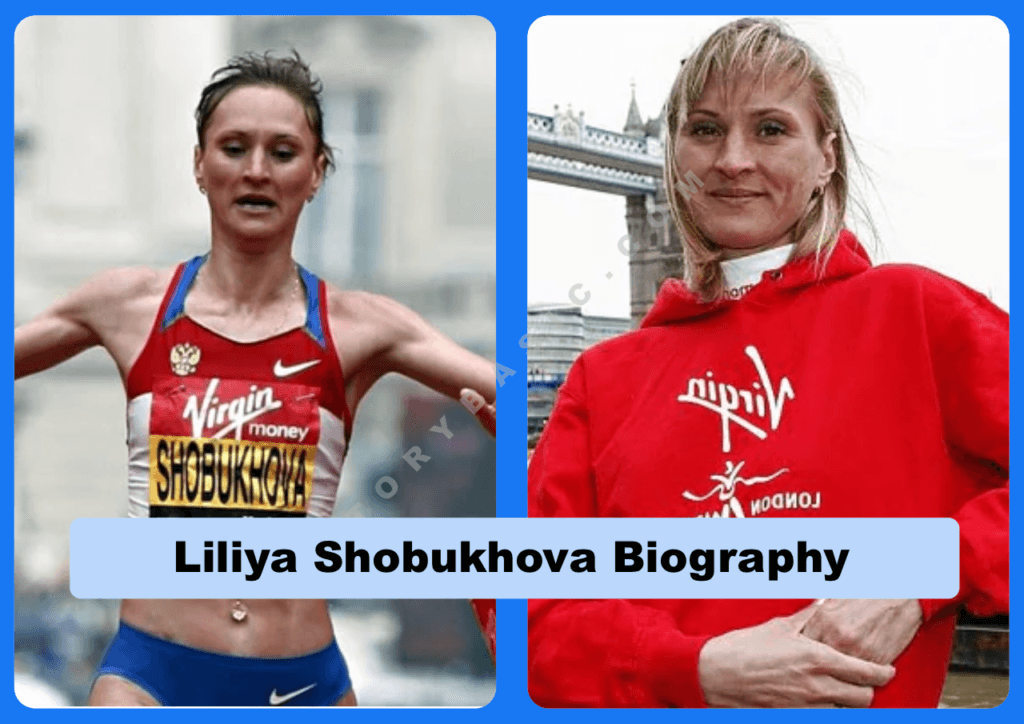
Liliya Shobukhova is a retired Russian marathon runner born in 1977, known for three Chicago Marathon wins later stripped due to a doping violation.
Liliya Shobukhova is a retired Russian long-distance runner who, at her peak, was considered one of the greatest female marathon runners in history. Born on November 13, 1977, in Bashkortostan, Russia, she rose from a modest track career to become a dominant force on the world marathon stage in the late 2000s and early 2010s.
She is best remembered for winning the Chicago Marathon three consecutive times from 2009 to 2011 and claiming the 2010 London Marathon title. However, her legacy was permanently overshadowed when doping violations led to the annulment of all her results from October 2009 onward, stripping her of every major victory she had earned.
Quick Facts About Liliya Shobukhova
| Detail | Information |
|---|---|
| Full Name | Liliya Bulatovna Shobukhova (née Shagbalova) |
| Date of Birth | November 13, 1977 |
| Age | 47 (as of 2025) |
| Birthplace | Beloretsk, Bashkortostan, Russia |
| Profession | Long-Distance Runner (Retired) |
| Known For | Three Chicago Marathon wins (2009–2011), 2010 London Marathon |
| Net Worth | Estimated $3–5 million |
| Children | Daughter, Anna |
| Status | Retired; results from 2009 onwards annulled |
Early Life and Background
Liliya Shobukhova grew up in Beloretsk, a small industrial town in the Russian Republic of Bashkortostan. Her path to athletics was anything but straightforward. As a young girl, she was initially drawn to ice skating before school officials encouraged her to try running. That casual push turned out to be life-changing.
She took to running naturally, showing an aptitude for endurance events that would define her career. Beloretsk may be a small city, but it produced a runner who would go on to compete on the biggest stages in global athletics.
Career Beginnings on the Track
Shobukhova launched her competitive career in middle-distance running in 2001. She quickly made her mark, reaching finals at both the European Indoor Championships and the European Athletics Championships in 2002. These early performances flagged her as a genuine talent in Russian athletics.
She continued her upward trajectory by representing Russia at the 2004 Athens Olympics, where she reached the 5000 metres final. Two years later, she claimed silver medals at both the 2006 IAAF World Indoor Championships and the 2006 European Athletics Championships. That same year, at the Russian Championships, she set a world indoor record in the 3000 metres with a time of 8:27.86.
By 2008, she was still competing on the track, setting a European record in the 5000 metres at 14:23.75 and representing Russia at the Beijing Olympics. It was becoming clear, however, that the road would eventually call her name.
Transition to Road Racing and Marathon Dominance
The shift to road racing happened almost by accident. In September 2008, a planned 5K race in Providence, Rhode Island, fell through at the last minute. Her manager, Andrey Baranov, pivoted quickly and entered her in the Philadelphia Distance Run — a half marathon. She won it convincingly.

From that point, Shobukhova embraced distance running on the roads. In 2009, after competing in the 10,000 metres at the World Championships, she committed to marathon racing full-time. The decision paid off almost immediately.
She won the 2009 Chicago Marathon in 2:25:56, then returned to win in 2010 with a Russian record of 2:20:25. In between, she claimed the 2010 London Marathon title in 2:22:00. She wrapped up her Chicago trilogy in 2011, crossing the line in 2:18:20 — a new Russian record that made her the second-fastest female marathoner in history at the time, behind only Paula Radcliffe.
One of her defining traits was a devastating finishing kick, a gift from her track background. At the 2009 Chicago Marathon, she covered the final 2.2 kilometres at a 3:00-per-kilometre pace — one of the fastest closing splits ever recorded in women’s marathon racing.
Personal Life
Shobukhova has kept her personal life largely private. She has a daughter named Anna, who was born before her years of major international success. She was formerly known by two other surnames — Shagbalova (maiden name) and Volkova (a divorced name) — before settling on the name Shobukhova by which she became internationally recognised.
She has spoken in interviews about the pressures of elite sport and the sacrifices required to compete at the highest level, but rarely delves into detail about her private life beyond her athletic career.
Doping Scandal and Career Fallout
In April 2014, the Russian Athletics Federation announced the discovery of abnormalities in Shobukhova’s biological passport, indicating the use of performance-enhancing substances. The consequences were severe. All of her results from October 9, 2009, were declared void, erasing every major road racing victory from her record.
She was initially handed a 38-month competition ban. However, after cooperating with the World Anti-Doping Agency (WADA), her suspension was reduced by seven months and officially ended on August 23, 2015. She was also ordered to repay approximately £378,000 in appearance fees and prize money earned from the London Marathons in 2010 and 2011.
 Worth" loading="lazy" width="180" height="120">
Shobukhova was subsequently banned for life from competing in the World Marathon Majors — a group that includes London, Chicago, Tokyo, Boston, Berlin, and New York City. Paula Radcliffe, whose world record Shobukhova had once threatened, was among those who publicly condemned the revelations.
Net Worth and Earnings
Liliya Shobukhova’s estimated net worth stands at approximately $3–5 million, though this figure is complicated by the prize money repayments she was required to make following her doping ban. At the height of her career, she commanded significant appearance fees and prize money at the world’s most prestigious marathons.
Her wealth was built through a combination of race winnings, appearance contracts, and endorsements during the late 2000s and early 2010s. The repayment orders and the abrupt end to her professional career significantly impacted her overall financial picture.
Athletic Legacy and Records
Despite the controversy, Shobukhova’s on-track records before the affected period remain intact. She still holds recognition as a former world indoor record holder in the 3000 metres and a former European record holder in both the 3000 metres and 5000 metres.
Her dominance at the Chicago Marathon — three wins in a row — once held the record for the most women’s victories at that event before Ruth Chepngetich of Kenya matched the feat in 2024. The manner in which she ran — tactically precise, devastatingly fast in the closing stages — earned widespread admiration from coaches and competitors alike.
Wrapping Up
Liliya Shobukhova’s story is one of remarkable athletic talent undone by equally remarkable dishonesty. She climbed from a small Russian town to the very top of global marathon running, setting records and winning titles that few could match at the time. Yet the foundation of those achievements proved to be compromised.

Her career serves as a cautionary tale about doping in elite athletics, but it also raises broader questions about systemic failures in anti-doping enforcement during that era of Russian athletics. Whatever the wider context, the victories she once celebrated now exist only in asterisked footnotes.
She remains a significant — if deeply controversial — figure in the history of women’s marathon running.
Frequently Asked Questions
Q1: Who is Liliya Shobukhova? Liliya Shobukhova is a retired Russian long-distance runner born on November 13, 1977, in Bashkortostan, Russia. She became famous for winning three consecutive Chicago Marathons from 2009 to 2011, though all those results were later annulled due to doping violations.
Q2: Why was Liliya Shobukhova banned? She was banned after abnormalities were found in her biological passport, indicating the use of performance-enhancing drugs. Her ban lasted until August 23, 2015, following a reduction for cooperating with WADA investigators.
Q3: What happened to Liliya Shobukhova’s race results? All of her competitive results from October 9, 2009, onward were officially annulled. This includes her three Chicago Marathon victories, her 2010 London Marathon win, and her Russian record marathon time of 2:18:20.
Q4: How much prize money did Shobukhova have to repay? She was ordered to repay approximately £378,000 in prize money and appearance fees, primarily from her participations in the London Marathon in 2010 and 2011.
Q5: What is Liliya Shobukhova’s net worth? Her estimated net worth is between $3–5 million as of 2025, though her finances were affected by the significant repayment obligations tied to her doping sanctions.
Q6: Did Liliya Shobukhova compete at the Olympics? Yes. She represented Russia at the 2004 Athens Olympics (5000 m), the 2008 Beijing Olympics (5000 m), and the 2012 London Olympics (marathon), where she did not finish.
Q7: Is Liliya Shobukhova still running competitively? No. Shobukhova is retired from professional athletics. She has been banned for life from competing in all six World Marathon Majors events following her doping violations.