Senator Barry Mpigi Biography: Age, Death & Career
Senator Barry Barinada Mpigi — Nigerian lawmaker, Rivers State politician, Senate Committee Chairman, and his passing in February 2026.
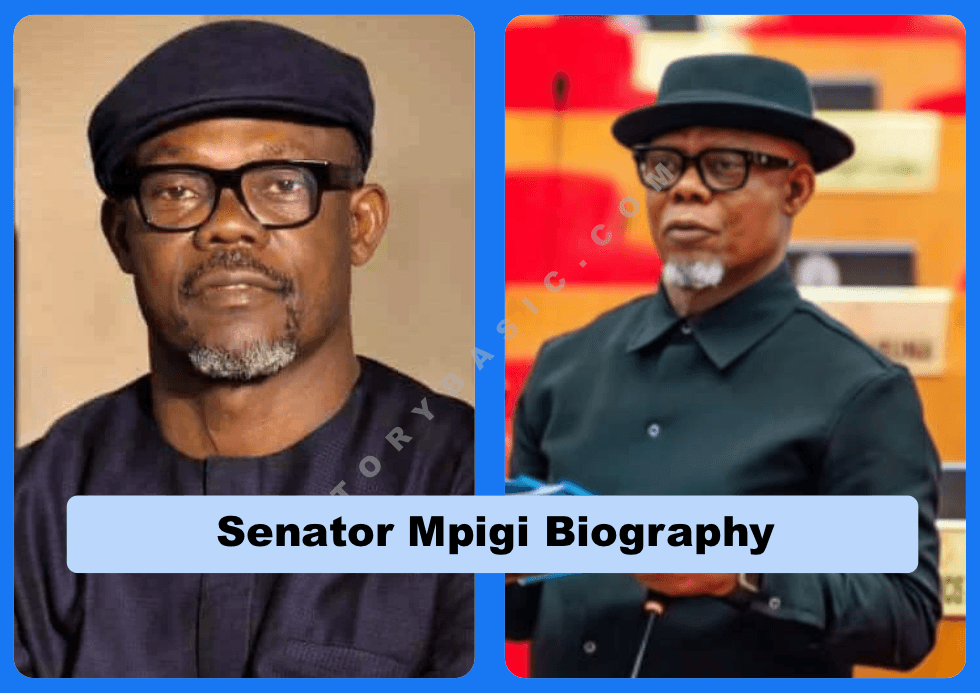
Senator Barry Barinada Mpigi was one of Nigeria’s most respected legislators — a grassroots politician who rose from local government councils to the hallowed chambers of the Nigerian Senate. Representing the Rivers South-East Senatorial District, he earned a reputation as a bridge-builder, an infrastructure champion, and a tireless advocate for the Ogoni people and the broader Niger Delta region.
His journey from Koroma, a quiet community in Tai Local Government Area, to the Senate Committee on Works chairmanship is a story of dedication, discipline, and public service. Sadly, Nigeria lost him on February 19, 2026, at the age of 64, following a brief illness — leaving behind a grieving family, a mourning constituency, and a legacy that continues to shape Rivers State politics.
Quick Facts About Senator Barry Mpigi
| Detail | Information |
|---|---|
| Full Name | Barry Barinada Mpigi |
| Date of Birth | June 23, 1961 |
| Place of Birth | Koroma, Tai LGA, Rivers State, Nigeria |
| Age at Death | 64 years old |
| Ethnicity | Ogoni (Yoruba Niger Delta) |
| Religion | Christianity |
| Political Party | Peoples Democratic Party (PDP) |
| Senate District | Rivers South-East Senatorial District |
| Senate Role | Chairman, Senate Committee on Works |
| Wife | Mrs. Patricia Obiageri Mpigi |
| Children | Jordan and Joaquin Mpigi |
| Education | PhD in Educational Management |
| Date of Death | February 19, 2026 |
| Net Worth | Estimated $500,000 |
Early Life and Family Background
Barry Barinada Mpigi was born on June 23, 1961, in Koroma town, located in Tai Local Government Area of Rivers State, Nigeria. He was born into the Gbene Lewagbeh royal family — the son of Sir Chief Sunday Ntorlanwa Mpigi and Lady Victoria Mpigi. His roots in the Ogoni ethnic group, one of the most historically significant communities in the Niger Delta, shaped his worldview and his lifelong commitment to representing marginalised communities.
His birth itself carries a remarkable story. According to family accounts, Mpigi showed no signs of life for several days after birth, with family and community fearing the worst. He survived — and many who knew him later saw that survival as a sign of the purposeful life he was meant to live. He grew up in Koroma surrounded by the everyday realities of a Niger Delta community — environmental challenges, limited infrastructure, and a proud but underserved people.
Education
Senator Mpigi pursued education with the same determination he brought to politics. He attended local schools in Tai LGA before advancing to higher education. He holds a PhD in Educational Management, along with a master’s degree and a diploma in business and education. This academic depth set him apart from many of his peers and gave him a structured, policy-oriented approach to governance and legislative work throughout his career.
Political Career and Rise to the Senate
Mpigi began his political journey at the grassroots level, serving as Council Chairman in Tai Local Government Area. This experience gave him a direct understanding of the infrastructure deficits, youth unemployment, and environmental damage caused by oil exploration that plagued his constituents daily.
In 2011, he was first elected to the Nigerian House of Representatives, representing the Tai-Oyigbo-Eleme Federal Constituency under the All Progressives Congress (APC). He performed well enough to earn re-election in December 2016, serving a second term in the lower house. During this period, he was appointed chairman of a joint Senate committee set up to investigate crude oil theft in the Niger Delta — placing him at the centre of one of Nigeria’s most pressing economic and security challenges.
In 2019, Mpigi transitioned to the Senate, winning election as the Senator representing Rivers South-East Senatorial District on the platform of the Peoples Democratic Party (PDP). He served in the 9th Assembly under President Buhari and continued into the 10th Assembly, where he was appointed Chairman of the Senate Committee on Works — one of the most influential committee positions in the National Assembly.
As Committee Chairman, he championed infrastructure oversight across Nigeria, advocating for projects in Lagos, Ogun, Sokoto, Kebbi, and Kano States — well beyond his own constituency. Minister of Works David Umahi praised him for strengthening legislative oversight and fostering collaboration between the National Assembly and the Federal Ministry of Works. He also played a key role in the emergence of Godswill Akpabio as Senate President, cementing his status as a significant political power broker.
 Worth" loading="lazy" width="180" height="120">
Legislative Achievements and Community Development
Senator Mpigi was not just a committee man — he was a lawmaker who brought bills to life. He sponsored legislation aimed at improving education, fixing roads, and creating a dedicated university in Rivers State. He ran youth and women empowerment programmes and established a foundation that provided scholarships and welfare support to residents of Tai LGA and surrounding communities.
Among the landmark infrastructure projects he contributed to were the Bodo-Bonny Road, the Eleme–Onne Road, and sections of the Lagos–Calabar Coastal Highway. His work demonstrated a rare commitment to national development that extended far beyond the borders of his senatorial district.
Personal Life
Senator Mpigi was married to Mrs. Patricia Obiageri Mpigi, who hails from Abbi in Ndokwa, Delta North. Their union reflected his ability to build connections across state lines — a trait that also defined his political career. Together, they had two sons: Jordan and Joaquin. Those who knew the family described Patricia as a steadfast partner whose support was central to her husband’s public life. Friends and colleagues celebrated her 50th birthday, recognising her role beside one of Nigeria’s most committed legislators.
Net Worth and Earnings
Senator Barry Mpigi’s estimated net worth at the time of his passing was approximately $500,000. His wealth was accumulated through years of public service, his legislative salary and allowances, and his foundation activities. By Nigerian political standards, he was considered in the moderate wealth category — a reflection of a man who prioritised service over personal enrichment, according to those who worked closely with him.
Death and National Mourning
Senator Barry Barinada Mpigi passed away on February 19, 2026, in London, United Kingdom, at the age of 64, following a prolonged illness. He had reportedly been battling illness for several months before his death. He became the fourth senator to die while serving in the 10th National Assembly.
The Nigerian Senate observed a moment of silence in his honour. Senate President Godswill Akpabio said he served with honour and devotion, adding: “His voice was steady, his judgment thoughtful, and his commitment to the welfare of his constituents unmistakable.” Governor Siminalayi Fubara of Rivers State described his passing as a profound shock and significant loss. Senator Ned Nwoko also paid tribute, noting that Mpigi earned loyalty from his people through consistent accessibility and presence.
He was buried in his home community of Koroma, Tai, with dignitaries from across Nigeria in attendance. In April 2026, the FCT Minister Nyesom Wike announced a ₦500 million support fund for Mpigi’s family through the Rivers State Rainbow Coalition.

Final Thoughts
Senator Barry Barinada Mpigi lived a life defined by purpose. From a miraculous birth in a small Rivers State community to the chairmanship of one of Nigeria’s most powerful Senate committees, his journey is a testament to what determined public service can achieve.
He did not chase fame — he chased impact. Roads, schools, scholarships, and empowered communities are his true monuments. Nigeria lost a bridge-builder, an infrastructure champion, and a faithful son of Ogoniland far too soon.
His family, his constituency, and the Nigerian Senate will carry his memory forward. Senator Mpigi’s story is a reminder that authentic leadership — rooted in community, guided by conscience — leaves marks that outlast any political season.
Frequently Asked Questions
Q1: Who is Senator Barry Mpigi?
Senator Barry Barinada Mpigi was a Nigerian politician from Rivers State who served as Senator representing the Rivers South-East Senatorial District. He was also Chairman of the Senate Committee on Works in the 10th National Assembly. He passed away on February 19, 2026, at the age of 64.
Q2: What is Senator Barry Mpigi’s real name?
His full name is Barry Barinada Mpigi. He was commonly referred to as Senator Mpigi or Senator Barinada Mpigi in political and media circles.
Q3: When and how did Senator Mpigi die?
Senator Mpigi passed away on February 19, 2026, in London, United Kingdom, following a prolonged illness. He had reportedly been ill for several months before his death. The specific cause was not publicly disclosed by the family.
Q4: Who is Senator Mpigi’s wife?
Senator Mpigi was married to Mrs. Patricia Obiageri Mpigi, who hails from Abbi in Ndokwa, Delta North. They had two sons together — Jordan and Joaquin.
Q5: What is Senator Barry Mpigi’s net worth?
His estimated net worth at the time of death was approximately $500,000. This was earned through his legislative career, allowances, and community foundation activities over several decades of public service.
Q6: What political party did Senator Mpigi belong to?
He was a member of the Peoples Democratic Party (PDP) at the time of his death. He began his career under the All Progressives Congress (APC) in the House of Representatives before switching to PDP ahead of his 2019 Senate election.
Q7: What were Senator Mpigi’s major achievements?
His major achievements include chairing the Senate Committee on Works, sponsoring education and road infrastructure bills, establishing a scholarship foundation, and contributing to landmark projects like the Bodo-Bonny Road and the Lagos–Calabar Coastal Highway. He also played a pivotal role in the emergence of Godswill Akpabio as Senate President.