Usman Nuhu Biography: Age, Career & Dismissal
Learn about ASP Usman Nuhu, the Nigerian police officer dismissed in 2026 for the extrajudicial killing of Mene Ogidi in Effurun, Delta State.
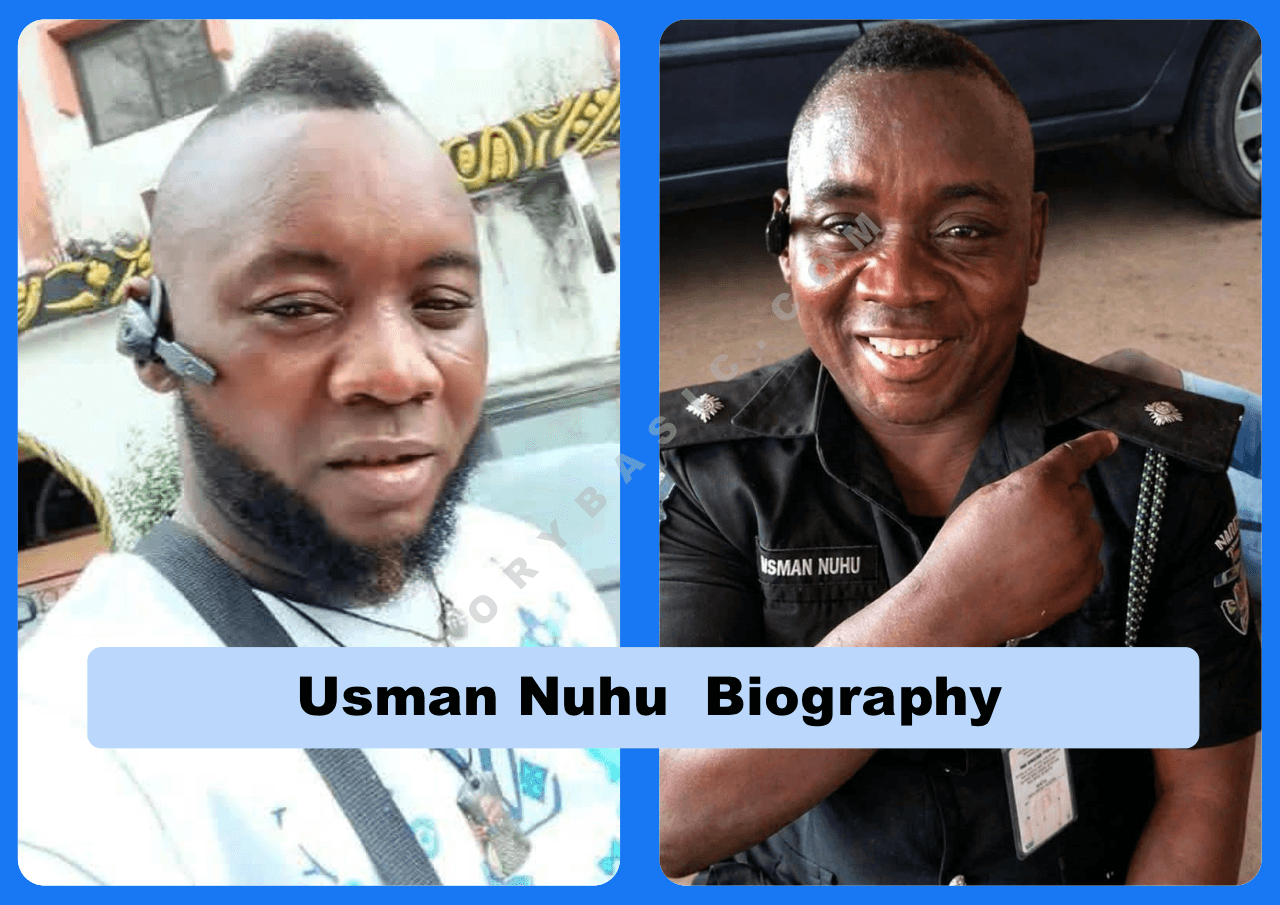
ASP Usman Nuhu is a former Nigerian police officer whose name became widely known following a tragic and controversial incident in April 2026. Serving as an Assistant Superintendent of Police in Delta State, he was thrust into the national spotlight after a viral video captured the fatal shooting of a restrained suspect. The incident sparked massive public outrage and set off a swift wave of disciplinary action across the Nigeria Police Force.
Once a mid-level law enforcement officer operating out of the Effurun Area Command, Nuhu is now at the centre of one of Nigeria’s most talked-about police brutality cases in recent memory. His dismissal and impending criminal prosecution have reignited debates about accountability, human rights, and the urgent need for police reform in Nigeria.
Quick Facts About Usman Nuhu
| Detail | Information |
|---|---|
| Full Name | Usman Nuhu |
| Also Known As | Ogbegbe |
| Nationality | Nigerian |
| Profession | Former Police Officer (Nigeria Police Force) |
| Rank | Assistant Superintendent of Police (ASP) |
| Unit | Effurun Area Command, Delta State |
| Famous For | Extrajudicial killing of Mene Ogidi, April 2026 |
| Current Status | Dismissed; awaiting criminal prosecution |
Early Life and Background
Publicly available records on Usman Nuhu’s early life are extremely limited. His exact date of birth, hometown, and family background have not been disclosed in any official statements or verified news reports. This is not unusual for mid-ranking police officers in Nigeria, who typically remain outside the public eye unless a significant event brings them forward.
What is known is that Nuhu went through the standard recruitment and training process of the Nigeria Police Force. This typically involves completion of secondary school education, followed by recruitment as a cadet or constable and years of in-service progression. Officers who reach the rank of ASP have usually served a considerable number of years in the force, working through various postings and operational assignments.
His personal life — including marital status, family, and educational history beyond his police training — remains undocumented in any public source as of the time of writing.
Police Career and Service in Delta State
Usman Nuhu built his career within the Nigeria Police Force over several years, eventually rising to the rank of Assistant Superintendent of Police. This rank places an officer in a supervisory role, often leading patrol teams and ground-level operations. He was assigned to the Effurun Area Command in Delta State, a unit responsible for law enforcement across a busy commercial corridor.
Colleagues and locals in the area reportedly knew him by the alias “Ogbegbe.” Prior to the April 2026 incident, no significant public record of commendations or disciplinary issues had been reported about him. He was, for all practical purposes, an unremarkable mid-level officer — until everything changed on a Sunday afternoon in Effurun.
His rank and leadership role meant that on the day of the fatal incident, he was the team leader, making him directly and legally accountable for the conduct of the operation.
The Effurun Shooting Incident (April 26, 2026)
On April 26, 2026, a 28-year-old aspiring musician named Mene Ogidi went to the Effurun Main Motor Park along the Warri-Sapele Expressway to collect a waybill package. Transport workers at the park grew suspicious, compelled him to open the parcel, and discovered it contained a Beretta pistol loaded with four rounds of ammunition. Ogidi claimed he had been sent by an acquaintance to pick up the package and offered to cooperate with authorities.
The park leadership restrained Ogidi and alerted the Effurun Area Command. The Area Commander, ACP Aliyu Shaba, dispatched a patrol team led by ASP Nuhu Usman to the scene. According to eyewitness accounts and the official police statement, upon arriving and sighting the firearm, Usman became visibly agitated and discharged his weapon at Ogidi in front of a crowd — shooting him in the hand while he sat on the ground, hands tied behind his back.

Ogidi was placed in a patrol vehicle for transport to Ekpan Police Station. However, he did not survive the ordeal. The incident was captured on video, which quickly spread across Nigerian social media platforms and triggered widespread public anger. The Delta State Police Command officially described the act as an extrajudicial killing and an outright violation of Force Order 237 and the Standard Operating Procedure of the Nigeria Police Force.
Arrest, Transfer, and Disciplinary Proceedings
Within days of the incident going viral, the Delta State Commissioner of Police, CP Yemi Oyeniyi, ordered the immediate arrest of ASP Nuhu Usman. He was first transferred to the State Headquarters in Asaba, and subsequently moved to Force Headquarters in Abuja, where the Force Disciplinary Committee (FDC) was convened to handle the case.
Inspector-General of Police Olatunji Rilwan Disu publicly described the shooting as “criminal and unprofessional,” leaving no doubt about the force’s position on the matter. The FDC conducted an expedited review and concluded that Nuhu had acted in gross violation of established firearms regulations. Three other inspectors involved in the incident were subjected to an Orderly Room Tribunal in parallel proceedings.
The swift institutional response was widely noted by civil society groups and human rights organisations, who nonetheless called for the case to be seen through to full judicial accountability.
Dismissal and Prosecution
On April 29, 2026 — just three days after the incident — the Nigeria Police Force announced the conclusion of its disciplinary review. The Force Disciplinary Committee recommended the immediate dismissal of ASP Nuhu Usman and all other officers found culpable. The Inspector-General of Police approved the recommendation and forwarded it to the Police Service Commission for formal ratification.
In a statement by Force Public Relations Officer DCP Anthony Okon Placid, the NPF confirmed that upon completion of administrative procedures, all dismissed officers would be handed over to judicial authorities for criminal prosecution. The IGP extended condolences to the family of Mene Ogidi and pledged that justice would be served transparently.
The dismissal and prosecution of Nuhu marked one of the fastest disciplinary responses in recent Nigerian police history, driven in large part by the public pressure generated by the viral video.
Public Reaction and Legacy
The killing of Mene Ogidi, and the viral footage that accompanied it, reopened deep national wounds around police brutality in Nigeria. Many Nigerians drew immediate comparisons to the 2020 #EndSARS protests, which had similarly been triggered by documented cases of extrajudicial violence by security forces.
 Worth & Career" loading="lazy" width="180" height="120">
Civil rights groups, activists, and ordinary citizens flooded social media demanding justice, police reform, and stronger civilian oversight mechanisms. The case also drew attention to the need for better training on the use of force and the psychological screening of officers in high-pressure environments.
Mene Ogidi’s family, who had described him as an aspiring artist with a promising future, became symbols of the broader cost of unaccountable policing. The case is expected to remain a reference point in ongoing conversations about law enforcement reform in Nigeria.
Wrapping Up
Usman Nuhu entered 2026 as an anonymous mid-level police officer in Delta State. He ended April of that year dismissed from service and facing criminal charges, his actions having cost a young man his life and reignited a national conversation about justice and accountability. The speed of the disciplinary response was notable, though advocates stressed that institutional accountability must extend beyond the moment and translate into lasting structural change.
The Mene Ogidi case is a grim reminder that authority without accountability is a danger to the very people it is meant to protect. How Nigeria’s judicial system ultimately handles the prosecution of ASP Nuhu Usman will be watched closely by millions.
Frequently Asked Questions
Q1: Who is Usman Nuhu?
Usman Nuhu, also known as “Ogbegbe,” is a former Nigerian police officer who held the rank of Assistant Superintendent of Police (ASP). He served in the Effurun Area Command in Delta State before being dismissed from service in April 2026.
Q2: What did ASP Usman Nuhu do?
On April 26, 2026, Nuhu fatally shot a restrained 28-year-old suspect named Mene Ogidi in Effurun, Delta State. The act was captured on video, went viral on social media, and was officially classified as an extrajudicial killing by the Delta State Police Command.
 Wife & Career" loading="lazy" width="180" height="120">
Q3: What happened to Usman Nuhu after the shooting?
He was arrested, transferred from Delta State to Force Headquarters in Abuja, subjected to disciplinary proceedings, and subsequently dismissed from the Nigeria Police Force. He is also expected to face criminal prosecution before the courts.
Q4: Who was Mene Ogidi?
Mene Ogidi was a 28-year-old aspiring musician from Effurun, Delta State. He was apprehended at a motor park after transport workers found a Beretta pistol in a waybill he was sent to collect, and was fatally shot by ASP Nuhu Usman while restrained.
Q5: Was Usman Nuhu convicted?
As of April 30, 2026, Nuhu has been dismissed from the Nigeria Police Force. His case has been forwarded to the Police Service Commission for ratification of dismissal, after which he is to be handed over to judicial authorities for criminal prosecution. A formal conviction has not yet been recorded.
Q6: What is Force Order 237?
Force Order 237 is a regulation within the Nigeria Police Force that governs the lawful use of firearms by officers. ASP Nuhu Usman was found to have violated this order, along with the Standard Operating Procedures of the NPF, when he shot Mene Ogidi.
Q7: What was the public reaction to the Effurun shooting?
The incident sparked widespread outrage across Nigeria, with citizens drawing parallels to the 2020 #EndSARS protests. Human rights groups, activists, and ordinary Nigerians called for justice, accountability, and deeper police reform in the country.