Blog

  • Sisi Alagbo Biography: Age, Herbal Business & Controversies

    Sisi Alagbo Biography: Age, Herbal Business & Controversies

    Eniola Fagbemi (Sisi Alagbo) is a Nigerian herbal vendor from Oyo State. Known for fertility remedies. 400K Facebook followers. Net worth $200,000. Read her story.

    Eniola Fagbemi, widely recognized as Sisi Alagbo, is a Nigerian herbal medicine vendor and social media personality who transformed a traditional family practice into a thriving online business. Based in Oyo State, she has built a community of nearly 400,000 followers on Facebook through her authentic approach to selling herbal remedies. Her journey from grassroots trading to becoming one of Nigeria’s most talked-about wellness influencers demonstrates the power of social media entrepreneurship.

    The Yoruba herbalist specializes in fertility treatments, reproductive health solutions, and infection management. She gained prominence by openly discussing intimate health topics that many Nigerian vendors avoid. Her willingness to educate customers and explain product ingredients set her apart in a market dominated by branded wellness companies. However, her career has also been marked by significant controversies that have tested her public image.

    Quick Facts About Sisi Alagbo

    DetailInformation
    Full NameEniola Fagbemi
    Known AsSisi Alagbo
    BirthplaceIpapo, Oyo State, Nigeria
    ProfessionHerbal Vendor, Social Media Influencer
    SpecializationFertility, Reproductive Health, Infection Treatment
    Net Worth$200,000 (approx.)
    Facebook Followers370,000+
    Current HusbandAdesola Hakeem (Civil Engineer)
    Famous ForTraditional Yoruba Herbal Remedies

    Early Life and Background

    Eniola Fagbemi hails from Ipapo in Oyo State, Nigeria. She grew up in a family with deep roots in traditional Yoruba medicine. Her grandmother was a practicing herbalist who passed down extensive knowledge about medicinal plants and their therapeutic properties. This family legacy would later become the foundation of Eniola’s business empire.

    Details about her formal educational background remain limited in public records. Unlike many modern wellness entrepreneurs with pharmaceutical or medical degrees, Eniola’s expertise came through practical experience and generational knowledge transfer. She learned to identify herbs, prepare formulations, and understand their applications through hands-on training within her family.

    Her path into herbal medicine was unconventional by contemporary standards. She built her expertise through years of working with traditional herbal formulations rather than academic credentials. This grassroots approach would later become part of her brand authenticity, as customers appreciated learning from someone who practiced traditional medicine as a lived tradition rather than a studied subject.

    Building a Social Media Empire

    Eniola Sisi Alagbo built her entire career through Facebook, which became her primary platform for customer engagement and sales. She grew her following to over 370,000 people by adopting a strategy that few traditional vendors employed. Instead of simply listing products, she talked openly about their uses, explained ingredients with confidence, and created content that made customers feel they were buying from a trusted friend.

    Her core business centers on herbal remedies for fertility treatments, female and male reproductive health, and infection management. She works with traditional Yoruba herbs and maintains transparency about the plant-based ingredients in her formulations. This openness built trust with an audience seeking alternatives to conventional medical treatments.

    What distinguished her approach was her willingness to discuss topics considered taboo in conservative Nigerian society. She spoke candidly about female desire, marital intimacy, and reproductive wellness. This bold communication style resonated with women who appreciated her directness and felt empowered to seek solutions for intimate health concerns.

    Her business expanded beyond Nigeria’s borders. She proudly shared that her grandmother’s herbal remedies now reach customers in China and Qatar. This international expansion validated her business model and demonstrated that traditional African medicine could compete in global wellness markets.

    Media Recognition and Growth

    Sisi Alagbo’s success attracted mainstream media attention. She was featured on BBC News Yoruba, which brought additional credibility to her brand. The feature highlighted how she had modernized traditional herbal medicine through digital marketing while maintaining authentic practices.

    During the 2025 Africa Cup of Nations in Morocco, she gained viral attention after a widely shared encounter with Super Eagles striker Victor Osimhen. She approached the footballer respectfully, and the interaction sparked positive reactions online. This moment showcased her growing celebrity status beyond the wellness community.

    She describes herself as a certified herbal expert in fertility, infection, and men’s wellness specializations. While the certification process for traditional herbalists differs from conventional medical credentials, she built credibility through customer testimonials and repeat business. Her Facebook page became filled with success stories from clients who credited her products with solving long-standing health issues.

    Business Model and Product Range

    Sisi Alagbo’s product line focuses heavily on kayanmata and other herbal remedies. Kayanmata refers to traditional aphrodisiacs and intimacy-enhancing products rooted in Hausa-derived traditions that Nigerian women have historically used within marriage. Her willingness to market these products openly challenged cultural norms around discussing marital intimacy.

    Her business operates primarily through social media sales. Customers place orders via Facebook messages, and products are shipped across Nigeria and internationally. This direct-to-consumer model eliminated overhead costs associated with physical storefronts and allowed her to maintain competitive pricing.

    She regularly posts educational content explaining how different herbs work, proper dosage instructions, and expected timelines for results. This educational approach built customer loyalty and reduced product returns. Her followers appreciated understanding what they were purchasing rather than relying on vague promises.

    The transparency extended to sourcing. She often shared videos of herb preparation and packaging, giving customers insight into her production process. This behind-the-scenes content reinforced the authenticity of her traditional methods while assuring customers about hygiene standards.

    Personal Life and Relationships

    Eniola’s personal life has been as public as her business. She previously left a first marriage after experiencing domestic violence. She spoke openly about this experience with her followers, who rallied around her with support. Her vulnerability about surviving abuse endeared her to many women facing similar challenges.

    She is currently married to Adesola Hakeem, a licensed civil engineer. Hakeem has appeared in promotional videos for the herbal business, showing public support for his wife’s entrepreneurial ventures. Their partnership seemed to blend modern professional life with traditional business practices.

    However, Eniola’s approach to sharing her personal life would later contribute to her most significant controversies. Her openness, while building connection with followers, also exposed her private affairs to public scrutiny and judgment.

    Controversies and Public Scrutiny

    In September 2025, Sisi Alagbo made headlines after announcing her remarriage to Adesola Hakeem. Many followers who knew about her previous abusive marriage were genuinely happy for her fresh start. However, the celebration quickly turned to controversy when shocking details emerged.

    It was revealed that Eniola had entered the marriage as a second wife. The first wife, who had been with Hakeem for approximately 15 years, claimed she had no prior knowledge of the nikah ceremony. She discovered the marriage through social media after it had already been solemnized.

    The first wife went public on Facebook, stating that both her husband and Eniola had blocked her on the platform to conceal their relationship. She revealed that Hakeem had called her on the morning of the nikah without mentioning he was about to marry another woman. Her statement, direct and devastating, circulated widely across Nigerian social media.

    The fallout was swift and intense. Alhaja Mewolaka, who had initially praised the marriage publicly, reversed her position after learning the full circumstances. She stated she had been misled about the situation. Public sentiment turned sharply against Eniola, with many accusing her of betraying sisterhood and deceiving the first wife.

    Reports emerged that Eniola was on her knees apologizing to the first wife as the situation escalated. The controversy ignited fierce debates about polygamy, consent, and transparency in Nigerian marriages. Many questioned whether entering a polygamous union without the first wife’s knowledge constituted ethical behavior, even if legally permissible under Islamic law.

    The April 2026 Scandal

    Just as the marriage controversy began to fade, an even bigger storm hit in April 2026. A private intimate video involving Eniola and her husband surfaced online and spread rapidly across social media platforms. The footage showed Eniola filming while her husband was with another woman, with all three participants present.

    The video triggered immediate and intense public reaction. Many expressed disgust at what appeared to be coordinated adult activity, while others questioned the circumstances behind such behavior. The cultural irony was not lost on observers—Eniola had built her brand partly by selling intimacy-enhancing products and speaking about desire, yet this revelation crossed boundaries many felt should remain private.

    Two days after the video began trending, Eniola broke her silence on her Facebook page. She admitted her mistake and apologized to her fans and the public. Her statement read: “I own my mistakes, and I apologize with all sincerity for the video circulating online. I am deeply sorry to everyone who felt disappointed in me.”

    Beyond the apology, she revealed the severe emotional toll the scandal had taken. She described being unable to eat or sleep for days, stating that even sleeping medications had stopped working. Her distress was palpable as she wrote: “Please forgive me. I don’t want to injure myself. I only have a little strength left.”

    She appealed to the public not to destroy her, noting that social media was her primary source of livelihood. “Please let’s move on past this because this media is where I get little support to feed,” she pleaded. The apology went viral, with reactions ranging from sympathy to continued outrage.

    Her husband, Adesola Hakeem, offered no detailed public statement regarding the incident. The silence from his end left Eniola to navigate the crisis largely alone, despite his involvement in the video.

    Net Worth and Financial Success

    Despite the controversies, Eniola Sisi Alagbo’s net worth is estimated at approximately $200,000. This figure reflects her success in building a profitable business from traditional herbal medicine. Her income streams include direct product sales, social media endorsements, and brand partnerships.

    Her Facebook following of nearly 400,000 people represents significant commercial value. Each post reaches a large, engaged audience interested in wellness products. This platform allowed her to generate substantial revenue without the overhead costs of traditional retail operations.

    The international expansion of her business to markets like China and Qatar indicates strong revenue potential. Shipping premium herbal products to international customers likely commands higher prices than domestic sales, contributing to her overall wealth accumulation.

    However, her financial stability remains closely tied to her public image. The recent scandals have threatened her primary income source by potentially alienating customers. Her emotional appeal about social media being where she gets support to feed herself underscores this vulnerability.

    Final Thoughts

    Sisi Alagbo’s story represents both the opportunities and risks of social media entrepreneurship. She successfully transformed traditional herbal knowledge into a modern business empire by leveraging Facebook’s reach and being authentic with her audience. Her willingness to discuss taboo topics and educate customers created a loyal following.

    However, her journey also illustrates how public figures who build brands on authenticity and openness can face severe consequences when controversies emerge. The marriage scandal and leaked video have tested the loyalty of her customer base and challenged her ability to maintain her business.

    As of 2026, Eniola faces the difficult task of rebuilding trust with her audience while managing the emotional aftermath of public scandals. Whether she can recover her reputation and business remains to be seen. Her situation serves as a cautionary tale about the fragility of social media fame and the importance of boundaries between public and private life.

    Frequently Asked Questions

    Q1: Who is Sisi Alagbo?

    Sisi Alagbo, whose real name is Eniola Fagbemi, is a Nigerian herbal medicine vendor and social media personality from Ipapo in Oyo State. She specializes in traditional Yoruba herbal remedies for fertility, reproductive health, and infection management. She has built a following of nearly 400,000 people on Facebook.

    Q2: What is Sisi Alagbo’s net worth?

    Sisi Alagbo’s estimated net worth is approximately $200,000. Her wealth comes from selling herbal products through social media, international sales to countries like China and Qatar, and brand partnerships. Her business operates primarily through Facebook-based direct-to-consumer sales.

    Q3: What products does Sisi Alagbo sell?

    She sells traditional Yoruba herbal remedies focused on fertility treatments, male and female reproductive health, infection management, and kayanmata (traditional aphrodisiac products). She emphasizes transparency about plant-based ingredients and educates customers about proper usage through her social media platforms.

    Q4: What controversies has Sisi Alagbo faced?

    In September 2025, she married as a second wife without the first wife’s knowledge, causing major controversy. In April 2026, a private intimate video involving her and her husband surfaced online, leading to widespread backlash. She has publicly apologized for both situations.

    Q5: Who is Sisi Alagbo’s husband?

    Sisi Alagbo is currently married to Adesola Hakeem, a licensed civil engineer. He has appeared in promotional videos for her herbal business. She entered this marriage as his second wife, which became controversial when it emerged that his first wife was unaware of the union.

    Q6: How did Sisi Alagbo build her business?

    She built her business entirely through Facebook by openly discussing health topics most vendors avoid, explaining product ingredients transparently, and creating educational content. Her approach made customers feel they were buying from a trusted friend rather than a vendor, helping her grow to over 370,000 followers.

    Q7: Where did Sisi Alagbo learn herbal medicine?

    She learned traditional herbal medicine through family knowledge passed down from her grandmother, who was a practicing herbalist. Her expertise came from hands-on practice and years of working with traditional Yoruba formulations rather than formal academic training in medicine or pharmacy.

  • Lamido Yuguda Biography: Age, Career & Net Worth

    Lamido Yuguda Biography: Age, Career & Net Worth

    Discover Lamido Yuguda’s biography — former SEC Director General, CBN Deputy Governor nominee, economist, and one of Nigeria’s most respected financial administrators.

    Lamido Abubakar Yuguda is one of Nigeria’s most distinguished financial technocrats, with a career spanning over four decades across central banking, international finance, and capital market regulation. He is best known for his tenure as Director General of the Securities and Exchange Commission (SEC) from 2020 to 2024, a role in which he drove sweeping reforms in Nigeria’s capital markets. In March 2026, President Bola Tinubu nominated him as Deputy Governor of the Central Bank of Nigeria (CBN), capping a remarkable journey through some of the world’s most respected financial institutions.

    From the corridors of the CBN to the International Monetary Fund in Washington D.C., Yuguda has consistently demonstrated rare technical depth and leadership. His story is a portrait of steady, principled service to Nigeria’s financial system across changing political administrations and economic climates.

    Quick Facts About Lamido Yuguda

    DetailInformation
    Full NameLamido Abubakar Yuguda
    ProfessionEconomist, Financial Administrator
    EducationB.Sc. Accounting, ABU Zaria (1983); M.Sc. Money, Banking & Finance, University of Birmingham (1991)
    Career Start1984 (Central Bank of Nigeria)
    Notable RolesSEC Director General (2020–2024), CBN Director of Reserve Management (2010–2016), IMF Economist (1997–2001)
    Professional CertificationsFellow, ICAN; CFA Charterholder
    Nominated AsCBN Deputy Governor (March 2026)
    Famous ForCapital market reform, Nigeria’s foreign reserve management

    Early Life and Family

    Lamido Yuguda was born in Nigeria, with roots tied to the northern part of the country. Details about his exact birth date and immediate family background remain largely private, consistent with his reputation as a reserved and professionally focused individual. What is publicly known is that he grew up with a strong academic orientation that eventually steered him toward economics and finance.

    His upbringing and early environment appear to have instilled in him a discipline and work ethic that would define his professional life. He chose accounting as his first academic pursuit, a grounding that would later complement his broader economic and investment training at global institutions.

    Education

    Yuguda earned his Bachelor of Science degree in Accounting from Ahmadu Bello University (ABU), Zaria, in 1983 — one of Nigeria’s most prestigious universities. He later travelled to the United Kingdom, where he obtained a Master of Science degree in Money, Banking and Finance from the University of Birmingham in 1991.

    He further sharpened his expertise with a certificate in Financial Asset Management and Engineering from the Swiss Finance Institute in Geneva, Switzerland. In addition, Yuguda has attended leadership training programmes at some of the world’s top business schools, including Harvard, INSEAD, IMD, Saïd (Oxford), Wharton, Haas, and London Business School — a truly global academic footprint.

    Career at the Central Bank of Nigeria

    Yuguda launched his professional career in 1984 at the Central Bank of Nigeria as a Senior Supervisor in the Foreign Operations Department, where he was responsible for maintaining Nigeria’s external debt records. He was subsequently redeployed in 1985 to the Banking Supervision Department, where he worked on prudential regulation and bank licensing. By 1988, he had moved to the Debt Conversion Committee Secretariat, joining pioneer staff tasked with managing Nigeria’s Debt Conversion Programme.

    Returning to the Foreign Operations Department in 1992, he rose to Senior Manager of the Investment Office, overseeing external debt service and investment of the CBN’s external reserves. His portfolio covered cash, fixed-term deposits, and foreign government treasury bills. This role cemented his expertise in reserve management and international investment — a specialisation that would define much of his later career.

    After rejoining the CBN in 2001 following his IMF stint, Yuguda led a critical team tasked with restructuring and diversifying the bank’s growing foreign exchange reserve portfolio. The team introduced new asset classes, appointed a reputable global custodian, and engaged international asset managers. He is credited with leaving behind a state-of-the-art portfolio management system and a strong risk-aware investment culture. He served as Director of the Reserve Management Department from 2010 to 2016, before voluntarily retiring from the apex bank.

    International Monetary Fund (1997–2001)

    In 1997, Yuguda joined the International Monetary Fund (IMF) in Washington D.C. as an economist in the Africa Department. In this role, he assessed economic policies and managed balance of payment support programmes in IMF member countries. His four-year tenure at the IMF gave him rare exposure to macroeconomic policymaking at a global scale and deepened his understanding of international financial systems.

    This global experience set him apart from many of his peers in Nigeria’s financial sector and equipped him to approach domestic challenges with a broader, more sophisticated lens. He returned to the CBN in 2001 with a renewed mandate and a significantly expanded skill set.

    Tenure as SEC Director General (2020–2024)

    In May 2020, President Muhammadu Buhari nominated Yuguda as Director General of the Securities and Exchange Commission (SEC), and the Nigerian Senate confirmed the appointment on June 10, 2020. He took charge of Nigeria’s apex capital market regulatory body at a challenging time, with markets grappling with the economic fallout of the COVID-19 pandemic.

    During his four-year tenure, Yuguda championed the digitalisation of capital market operations, promoted investor protection, and pushed for greater integration of Nigeria’s markets with global standards. His administration emphasised transparency and confidence-building in the Nigerian capital market ecosystem. He served until 2024, when he was succeeded by Emomotimi Agama.

    Nomination as CBN Deputy Governor (2026)

    In March 2026, President Bola Tinubu nominated Yuguda as Deputy Governor of the Central Bank of Nigeria, following the appointment of former Deputy Governor Bala Bello as Special Adviser to the President on Political Economy. The nomination was made in line with Section 8(1) of the Central Bank of Nigeria Act, 2007, and was subject to Senate confirmation.

    The nomination was widely welcomed by Nigeria’s financial community, given Yuguda’s deep institutional knowledge of the CBN and his broader experience across the IMF and SEC. President Tinubu charged him to discharge his responsibilities with professionalism, dedication, and commitment to Nigeria’s economic stability. Notably, Yuguda had already served as a member of the CBN’s Monetary Policy Committee from February 2024, giving him a head start in understanding the current monetary policy landscape.

    Professional Certifications and Memberships

    Yuguda holds two of the most respected designations in global finance. He is a Fellow of the Institute of Chartered Accountants of Nigeria (ICAN) and a CFA charterholder — a globally recognised credential awarded by the CFA Institute. These certifications reflect both his technical proficiency and his commitment to the highest ethical and professional standards in finance.

    He has also served as a Non-Executive Director on the boards of the Africa Finance Corporation (AFC), the National Pension Commission (PENCOM), and the Asset Management Corporation of Nigeria (AMCON), demonstrating the breadth of his institutional involvement beyond his primary executive roles.

    Wrapping Up

    Lamido Yuguda’s career is a study in quiet, consistent excellence. Over more than four decades, he has served Nigeria’s financial system with distinction — from managing foreign reserves at the CBN to regulating capital markets at the SEC, and now stepping into the role of CBN Deputy Governor. Few financial professionals in Nigeria can match the range and depth of his institutional experience.

    His story is also a reminder that durable impact in public service often comes not from dramatic gestures, but from steady, technically sound work over many years. As he takes on his new role at the CBN, Yuguda carries with him a legacy of reform, discipline, and global perspective. Nigeria’s financial future will be shaped, in no small part, by professionals like him.

    Frequently Asked Questions

    Who is Lamido Yuguda?

    Lamido Abubakar Yuguda is a Nigerian economist and financial administrator with over four decades of experience. He is best known for serving as Director General of the Securities and Exchange Commission (SEC) from 2020 to 2024. In March 2026, President Tinubu nominated him as Deputy Governor of the Central Bank of Nigeria.

    What is Lamido Yuguda’s educational background?

    He holds a B.Sc. in Accounting from Ahmadu Bello University (1983) and an M.Sc. in Money, Banking and Finance from the University of Birmingham (1991). He also earned a certificate in Financial Asset Management and Engineering from the Swiss Finance Institute in Geneva.

    What did Lamido Yuguda do at the IMF?

    Between 1997 and 2001, Yuguda worked as an economist in the Africa Department of the International Monetary Fund in Washington D.C. He assessed economic policies and managed balance of payment support programmes for IMF member countries.

    What certifications does Lamido Yuguda hold?

    He is a Fellow of the Institute of Chartered Accountants of Nigeria (ICAN) and a CFA charterholder — two of the most prestigious designations in accounting and investment management globally.

    Why was Lamido Yuguda nominated as CBN Deputy Governor?

    President Bola Tinubu nominated him in March 2026 following a vacancy created by the reassignment of former Deputy Governor Bala Bello. The nomination was made under Section 8(1) of the CBN Act, 2007, and is subject to Senate confirmation.

    How long did Lamido Yuguda serve at the CBN?

    Yuguda spent approximately 32 years at the CBN across two stints — from 1984 to 1997, and again from 2001 to 2016. He retired voluntarily in 2016 after serving as Director of the Reserve Management Department for six years.

    What boards has Lamido Yuguda served on?

    He has served as a Non-Executive Director on the boards of the Africa Finance Corporation (AFC), the National Pension Commission (PENCOM), and the Asset Management Corporation of Nigeria (AMCON).

  • Bianca Odumegwu-Ojukwu Biography: Age, Career & Net Worth

    Bianca Odumegwu-Ojukwu Biography: Age, Career & Net Worth

    Discover Bianca Odumegwu-Ojukwu’s full biography — from beauty queen to diplomat and Nigeria’s Minister of State for Foreign Affairs. Age, family, career & more.

    Bianca Odumegwu-Ojukwu is one of Nigeria’s most remarkable women — a former beauty queen, accomplished lawyer, seasoned diplomat, and now a serving cabinet minister. Born into a politically influential family, she carved her own distinct path through pageantry, law, and international diplomacy, earning recognition far beyond Nigeria’s borders.

    She is perhaps best known as the widow of Biafra’s iconic leader, Chukwuemeka Odumegwu Ojukwu, but Bianca’s story is very much her own. From winning the Most Beautiful Girl in Nigeria title in 1988 to becoming Nigeria’s Minister of State for Foreign Affairs in 2024, her life is a testament to resilience, reinvention, and public service.

    Quick Facts About Bianca Odumegwu-Ojukwu

    DetailInformation
    Full NameBianca Odinakachukwu Olivia Odumegwu-Ojukwu (née Onoh)
    Date of Birth5 August 1968
    Age56 years old (as of 2025)
    ProfessionPolitician, Diplomat, Lawyer, Businesswoman, Former Beauty Queen
    NationalityNigerian
    SpouseLate Chukwuemeka Odumegwu Ojukwu (m. 1994–2011)
    ChildrenThree — Chineme, Afamefuna, and Nwachukwu
    Famous ForMost Beautiful Girl in Nigeria 1988, First African Miss Intercontinental, Minister of State for Foreign Affairs
    EducationUniversity of Nigeria, Nsukka (LL.B); Nigerian Law School; M.Sc. International Relations — Universidad Alfonso X El Sabio, Spain

    Early Life and Family

    Bianca Odinakachukwu Olivia Onoh was born on 5 August 1968 in Ngwo, Enugu State, Nigeria. She is the sixth child of Chief Christian Chukwuma Onoh, a former governor of the old Anambra State, and his wife Carol Onoh, a college principal. Growing up in such a politically prominent household gave Bianca early exposure to governance, leadership, and public life.

    She spent much of her childhood in the rural community of Ngwo alongside her seven siblings — Lilian, Josephine, Nuzo, Gabriel, Stella, Christian, and Josef. Despite the privilege of her background, her upbringing was grounded in discipline and academic ambition. Her father, himself a lawyer, pushed strongly for his children to pursue professional careers.

    Her sister, Lilian Onoh, would later serve as Nigeria’s Ambassador to the Republic of Namibia, suggesting that public service runs deeply in the Onoh family.

    Education

    Bianca’s educational journey took her across two continents. She attended Ackworth School in Pontefract, St Andrews College Cambridge, and Cambridge Tutorial College in England, where she obtained her A-levels. She initially enrolled in a combined honours degree in Politics, Economics, and Law at the University of Buckingham.

    However, at her father’s insistence that she focus solely on law and join the family profession, she transferred to the University of Nigeria, Nsukka. She graduated with an LL.B degree in 1991. She subsequently attended the Nigerian Law School in Lagos, after which she was called to the Nigerian Bar in 1992.

    Her academic ambitions did not stop there. In 2008, she earned a Master’s degree in International Relations and Diplomacy from Universidad Alfonso X El Sabio in Madrid, Spain. She also obtained diplomas in Dynamics of Conflict and Cooperation from the University for Peace in Costa Rica, and in Human Rights and International Relations from the Berg Institute in Madrid.

    Beauty Pageant Career and Rise to Fame

    Bianca’s entry into public life came through beauty pageantry, an arena she initially approached with some reluctance. While studying in England, she won the Miss Martini contest. That win foreshadowed a remarkable string of pageant victories back home.

    In December 1988, she was crowned the Most Beautiful Girl in Nigeria (MBGN) at the National Theatre in Lagos, reigning through most of 1989. She then won the Miss Africa 1989 pageant held in Banjul, Gambia. She represented Nigeria at both Miss World in Hong Kong and Miss Universe in Mexico that same year.

    Her crowning achievement came when she became the first African to win the Miss Intercontinental pageant, staged in Lagos in 1989. She was also named Miss Congeniality at the Miss Charm International competition in Russia. These victories made her a household name across Nigeria and beyond, cementing her status as an icon of Nigerian beauty and elegance.

    Legal Career and Business Ventures

    After being called to the bar in 1992, Bianca briefly practiced law before transitioning into entrepreneurship. She founded Bianca Blend, a cosmetics business, and Mirabella, an interior decorating company — both of which she managed alongside her domestic responsibilities.

    She also established the Hope House Trust, a non-governmental organisation dedicated to rehabilitating juvenile offenders in Enugu State. This initiative reflected her broader commitment to social welfare and community development, concerns that would later define her diplomatic career.

    Diplomatic Career and Political Journey

    Bianca’s formal entry into public service began in 2011 when President Goodluck Jonathan appointed her Senior Special Assistant on Diaspora Affairs. The following year, she was named Nigeria’s Ambassador to Ghana and subsequently became Nigeria’s Ambassador to the Kingdom of Spain in 2012, a role in which she earned wide respect.

    During her tenure in Spain, she was honoured with the Certificate of Merit by El Mundo Diplomatico for building effective platforms for Nigeria-Spain engagement. In 2014, she was voted Africa’s Outstanding Ambassador by The Voice Magazine in the Netherlands. In 2016, she received the Ambassador of Excellence Award from the Government of Anambra State.

    In October 2024, President Bola Ahmed Tinubu appointed her as Nigeria’s Minister of State for Foreign Affairs, a position she was sworn into on 4 November 2024. She also serves as Nigeria’s Permanent Representative to the United Nations World Tourism Organization (UNWTO).

    Personal Life: Marriage to Ojukwu

    Bianca’s personal life became deeply entwined with Nigerian history when she began a relationship in 1989 with Chukwuemeka Odumegwu Ojukwu, the former president of Biafra and a political associate of her father. Ojukwu was more than thirty years her senior, and their romance quickly became a national talking point.

    Despite opposition — including initial resistance from her father — the couple married on 12 November 1994 in a lavish ceremony in Abuja. Together, they had three children: Chineme, Afamefuna, and Nwachukwu. Ojukwu passed away in the United Kingdom in 2011 after a brief illness, at the age of 78.

    Bianca has spoken candidly about their marriage. While she expressed gratitude for having found him, she has said she would not encourage her daughter to make a similar choice of marital engagement — an honest and self-aware reflection that resonated with many Nigerian women.

    Controversies

    Following Ojukwu’s death, his will — which bequeathed the bulk of his estate to Bianca and their children — sparked a bitter legal dispute with members of the extended Ojukwu family, most notably his first son, Debe Odumegwu Ojukwu. The protracted court battle drew intense public interest and scrutiny.

    Bianca remained firm throughout the proceedings, noting that the will had been drafted in 2005, registered with the State Probate Registry, and had legal witnesses still living. In 2023, a court finally ruled in her favour, bringing the decade-long dispute to a close.

    Awards and Recognition

    • First African to win Miss Intercontinental (1989)
    • Miss Congeniality — Miss Charm International, Russia (1989)
    • Certificate of Merit — El Mundo Diplomatico, Spain
    • Africa’s Outstanding Ambassador — The Voice Magazine, Netherlands (2014)
    • Ambassador of Excellence Award — Anambra State Government (2016)
    • Holds multiple traditional chieftaincy titles, including the highest title conferred on women in her region

    Net Worth

    Bianca Odumegwu-Ojukwu’s net worth is not publicly confirmed, but her wealth stems from multiple streams — her law career, cosmetics and interior design businesses, diplomatic salaries, and her significant share of the Ojukwu estate following the 2023 court ruling. She is widely considered one of the most financially independent women of her generation in Nigeria.

    Final Thoughts

    Bianca Odumegwu-Ojukwu’s life defies easy categorization. She has been a beauty queen, a lawyer, an entrepreneur, a diplomat, and a minister — each chapter lived fully and often under intense public scrutiny. Her journey from the pageant stages of the 1980s to the corridors of Nigeria’s Ministry of Foreign Affairs is nothing short of extraordinary.

    What makes her story compelling is not just the titles she has held, but the resilience she has shown in holding onto her identity through all of it. Widowhood, legal battles, and political storms have tested her, but none have diminished her.

    In Bianca Odumegwu-Ojukwu, Nigeria has a diplomat who arrived at the table through both beauty and brilliance — and has stayed through sheer determination.

    Frequently Asked Questions

    Q1: Who is Bianca Odumegwu-Ojukwu?

    Bianca Odumegwu-Ojukwu is a Nigerian politician, diplomat, lawyer, and former beauty queen born on 5 August 1968. She is the widow of Biafra’s former president, Chukwuemeka Odumegwu Ojukwu. She currently serves as Nigeria’s Minister of State for Foreign Affairs.

    Q2: What is Bianca Odumegwu-Ojukwu’s age?

    As of 2025, Bianca Odumegwu-Ojukwu is 56 years old. She was born on 5 August 1968 in Ngwo, Enugu State, Nigeria.

    Q3: What is Bianca Odumegwu-Ojukwu famous for?

    She is best known for winning the Most Beautiful Girl in Nigeria pageant in 1988 and becoming the first African to win the Miss Intercontinental title in 1989. She is also renowned for her diplomatic career as Nigeria’s ambassador to Ghana and Spain.

    Q4: How many children does Bianca Odumegwu-Ojukwu have?

    Bianca has three children with her late husband Chukwuemeka Odumegwu Ojukwu. Their names are Chineme, Afamefuna, and Nwachukwu.

    Q5: When did Bianca Odumegwu-Ojukwu become a minister?

    She was appointed Minister of State for Foreign Affairs by President Bola Tinubu in October 2024 and was sworn in on 4 November 2024.

    Q6: What happened with Ojukwu’s estate?

    After Ojukwu’s death in 2011, his will sparked a legal battle involving family members who challenged Bianca’s inheritance. In 2023, the courts ruled in Bianca’s favour, concluding the lengthy dispute.

    Q7: Where did Bianca Odumegwu-Ojukwu study?

    She studied at Cambridge Tutorial College in England before transferring to the University of Nigeria, Nsukka, where she earned her law degree. She later obtained a Master’s in International Relations from Universidad Alfonso X El Sabio in Spain.

  • Rosy Meurer Biography: Age, Husband & Net Worth 2026

    Rosy Meurer Biography: Age, Husband & Net Worth 2026

    Meta Description: Discover Rosy Meurer’s full biography — her age, early life, Nollywood career, marriage to Olakunle Churchill, movies, net worth, and more. Updated 2026.

    Rosy Meurer is one of Nollywood’s most talked-about actresses, known not just for her talent on screen but for her headline-making personal life. Born Rosaline Ufuoma Meurer, she has carved out a respected career as an actress, producer, model, and entrepreneur in the Nigerian entertainment industry. With roles spanning popular TV series and blockbuster films, she has proven herself to be far more than a tabloid figure.

    From her humble beginnings as a model in The Gambia to becoming a brand ambassador and film producer in Nigeria, Rosy’s journey is one of resilience and reinvention. Today, she is widely recognized for her roles in Oasis and Merry Men: The Real Yoruba Demons, and remains a prominent voice in Nigerian pop culture.

    Quick Facts About Rosy Meurer

    DetailInformation
    Full NameRosaline Ufuoma Meurer
    Date of BirthFebruary 15, 1992
    Age33 years old (as of 2025)
    Place of BirthThe Gambia
    NationalityNigerian (Gambian-born)
    ProfessionActress, Producer, Model, Entrepreneur
    HusbandOlakunle Churchill
    Children2
    EducationDiploma in Business Management; studied Photography
    Net WorthEstimated $200,000–$1 million
    Famous ForOasis (2014), Merry Men: The Real Yoruba Demons (2018)

    Early Life and Family

    Rosaline Ufuoma Meurer was born on February 15, 1992, in The Gambia. She is the first child in a family of three children. Her father is Dutch while her mother hails from Delta State, Nigeria, giving Rosy a rich multicultural background. Growing up in The Gambia, Rosy developed a fascination with aviation. She dreamed of becoming a pilot or an air hostess as a child — a passion that speaks to her ambitious nature. Life, however, had a different and equally exciting path in store for her. Her move to Nigeria in 2009 was the turning point that would set her life on an entirely new course. She arrived in Lagos with little more than determination and the encouragement of a chance encounter that would change everything.

    Education

    Rosy received her foundational education in The Gambia before relocating to Nigeria. She later earned a Diploma in Business Management, demonstrating an early interest in entrepreneurship alongside her creative pursuits. She also studied Photography, a skill that would complement her work in modeling and the entertainment industry. Her academic choices reflect a well-rounded mind — one that balances artistry with business acumen.

    From Model to Nollywood Actress

    Rosy’s entertainment career began in The Gambia, where she worked as a model. It was there that she crossed paths with Nigerian actor and politician Desmond Elliot, who recognized her potential and encouraged her to try acting in Nigeria. Taking his advice, she relocated to Lagos in 2009 and quickly landed a minor role in Emem Isong’s film Spellbound. She followed this with appearances in In the Cupboard (2011) and Weekend Getaway (2012), gradually building her presence in Nollywood. Her breakthrough came in 2014 when she joined the cast of the popular TV series Oasis, playing the lead role of Kaylah. The role introduced her to a much wider audience and established her as a serious actress. From there, her career gained real momentum. In 2017, she took on the lead role in Our Dirty Little Secret and starred as Monica in the TV series Philip and Polycarp. That same year, she achieved a major milestone by producing and directing her first film, The Therapist’s Therapy, marking her transition into filmmaking. Her most commercially visible role came in 2018, when she played Kemi Alesinloye in Ayo Makun’s Merry Men: The Real Yoruba Demons — one of Nollywood’s biggest comedy franchises. The role solidified her status as a recognizable face in mainstream Nigerian cinema.

    Notable Movies and TV Series

    Rosy Meurer has featured in a wide range of Nollywood productions, including:

    • Spellbound (2009)
    • In the Cupboard (2011)
    • Weekend Getaway (2012)
    • Oasis — TV series (2014)
    • Damaged Petal (2015)
    • Red Card (2015)
    • Open Marriage (2015)
    • Our Dirty Little Secret (2017)
    • Philip and Polycarp — TV series (2017)
    • The Incredible Father (2017)
    • Merry Men: The Real Yoruba Demons (2018)
    • Accidental Affair
    • Circle of Sinners

    Personal Life and Marriage to Olakunle Churchill

    Rosy Meurer’s personal life attracted intense public scrutiny from 2017 onwards. Actress Tonto Dikeh publicly accused Rosy of being involved with her then-husband, businessman Olakunle Churchill, during their marriage. Rosy denied the allegations, and the controversy followed her for years. On February 15, 2021 — her 29th birthday — Olakunle Churchill publicly announced Rosy as his wife on social media. The announcement reignited public debate, but Rosy addressed her followers directly on Instagram, stating that she lost her relationship in 2017 and that her marriage to Churchill was, in her words, the will of God. On March 9, 2021, Rosy and Churchill welcomed their first child together, a baby boy named King. The couple later had a second child, and Rosy has frequently described motherhood as her greatest achievement. “My biggest priority is my family,” she has said in interviews, often sharing warm family moments with her followers online.

    Philanthropy and Brand Endorsements

    Beyond entertainment, Rosy Meurer has shown a genuine commitment to giving back. In May 2017, she rehabilitated and commissioned the Udu Main Market Water Project in Udu, Delta State. She also donated to pregnant women at a maternity clinic in Warri as part of her role as an ambassador for the Big Church Foundation on Women and Children, a position she has held since 2015. On the brand side, she signed an endorsement deal with DoctorCare247 in April 2019, followed by a deal with telecom giant Glo later the same year. She has also served as an ambassador for Multisheen Ebony.

    Awards and Recognition

    Rosy Meurer’s talent has not gone unnoticed in the Nigerian film industry. Her notable recognitions include:

    • Next Rated Actress — Nigeria Goodwill Ambassador Awards (2016, Won)
    • Special Recognition Award — La Mode Green (2017, Won)
    • Most Promising Actress of the Year (English) — City People Movie Awards (2017, Nominated)

    Net Worth and Earnings

    Rosy Meurer’s net worth is estimated to be between $200,000 and $1 million, drawing from multiple income streams. Her earnings come from acting, film production, brand endorsements, and business ventures. Her husband Olakunle Churchill is a well-known entrepreneur with interests in real estate, oil and gas, agriculture, and hospitality, which also contributes to the couple’s affluent lifestyle. In March 2021, she revealed she received a 2021 Lexus LX570 SUV — valued at approximately $90,000 — as a push present following the birth of her son.

    Wrapping Up

    Rosy Meurer’s story is one of quiet persistence in the face of very loud noise. She arrived in Nigeria as a young model with a dream, built a credible acting and producing career, and weathered a media storm that would have derailed many others. Today, she stands on the other side as a wife, mother of two, entrepreneur, and philanthropist. Her journey from The Gambia to the heart of Nollywood is a testament to resilience and self-belief. Whatever controversies have followed her name, her body of work and her commitment to family and community tell a fuller, more compelling story. Rosy Meurer continues to evolve — and Nollywood, and her growing fanbase, will be watching every step of the way.

    Frequently Asked Questions

    Who is Rosy Meurer?

    Rosy Meurer, born Rosaline Ufuoma Meurer, is a Gambian-born Nigerian actress, producer, and model. She is best known for her roles in the TV series Oasis (2014) and the film Merry Men: The Real Yoruba Demons (2018). She is also married to Nigerian businessman Olakunle Churchill.

    How old is Rosy Meurer?

    Rosy Meurer was born on February 15, 1992, making her 33 years old as of 2025. She was born in The Gambia to a Dutch father and a Nigerian mother from Delta State.

    Who is Rosy Meurer’s husband?

    Rosy Meurer is married to Olakunle Churchill, a Nigerian businessman and philanthropist. He was previously married to Nollywood actress Tonto Dikeh. Churchill publicly announced their marriage on February 15, 2021.

    How many children does Rosy Meurer have?

    Rosy Meurer has two children with her husband Olakunle Churchill. Their first son, King, was born on March 9, 2021, and the couple later welcomed a second child.

    What is Rosy Meurer’s net worth?

    Rosy Meurer’s estimated net worth ranges between $200,000 and $1 million. Her wealth comes from acting, film production, brand endorsements with companies like Glo and DoctorCare247, and her business ventures.

    What movies has Rosy Meurer appeared in?

    Some of her most notable films and series include Oasis (2014), Our Dirty Little Secret (2017), Merry Men: The Real Yoruba Demons (2018), Weekend Getaway (2012), Damaged Petal (2015), and Circle of Sinners. She also produced and directed The Therapist’s Therapy in 2017.

    Was Rosy Meurer involved in Tonto Dikeh’s marriage breakdown?

    Rosy Meurer was publicly accused by actress Tonto Dikeh of being involved with her ex-husband Olakunle Churchill during their marriage. Rosy consistently denied these claims, stating that she lost her relationship in 2017 and that her eventual marriage to Churchill was unplanned and beyond her control.

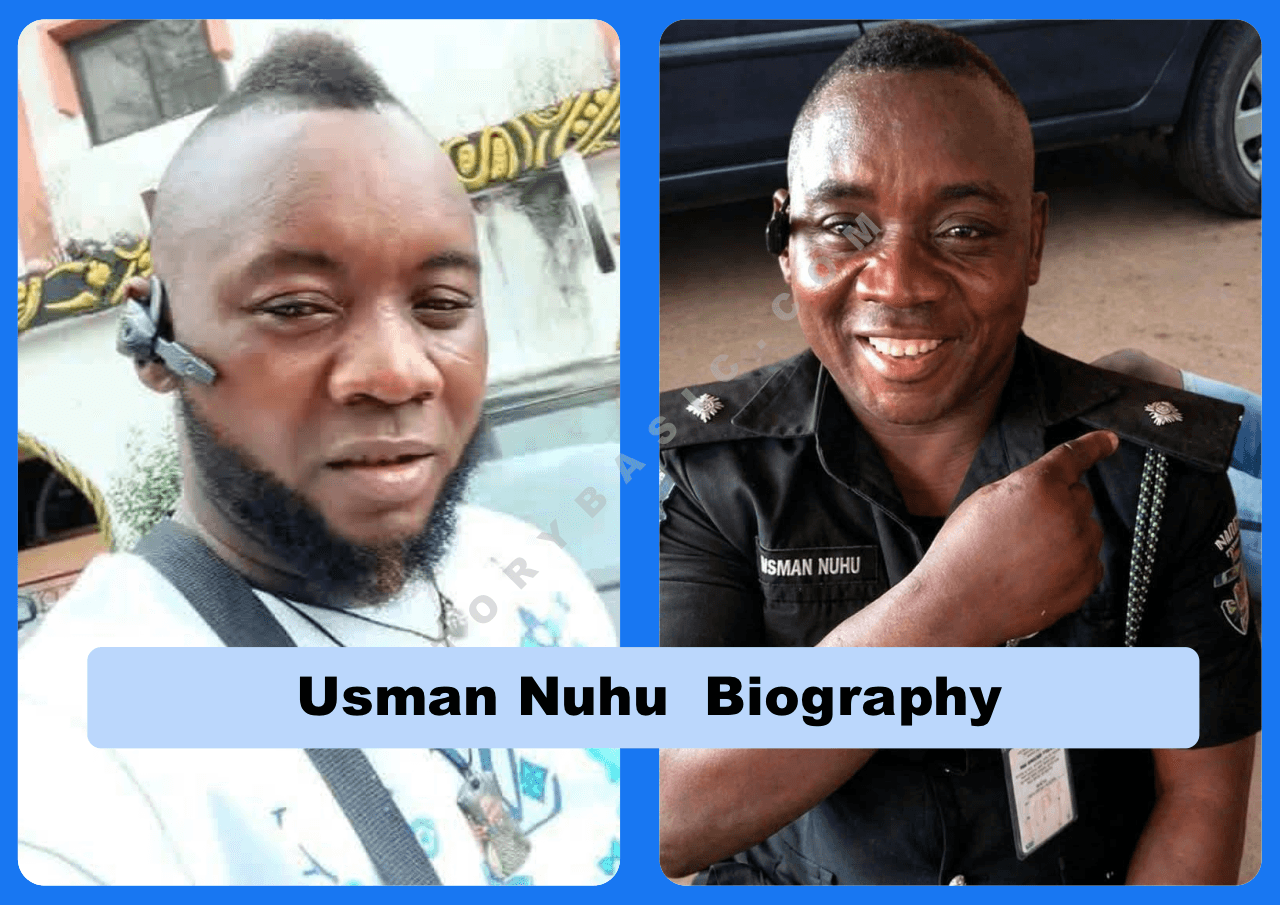
  • Usman Nuhu Biography: Age, Career & Dismissal

    Usman Nuhu Biography: Age, Career & Dismissal

    Learn about ASP Usman Nuhu, the Nigerian police officer dismissed in 2026 for the extrajudicial killing of Mene Ogidi in Effurun, Delta State.

    ASP Usman Nuhu is a former Nigerian police officer whose name became widely known following a tragic and controversial incident in April 2026. Serving as an Assistant Superintendent of Police in Delta State, he was thrust into the national spotlight after a viral video captured the fatal shooting of a restrained suspect. The incident sparked massive public outrage and set off a swift wave of disciplinary action across the Nigeria Police Force.

    Once a mid-level law enforcement officer operating out of the Effurun Area Command, Nuhu is now at the centre of one of Nigeria’s most talked-about police brutality cases in recent memory. His dismissal and impending criminal prosecution have reignited debates about accountability, human rights, and the urgent need for police reform in Nigeria.

    Quick Facts About Usman Nuhu

    DetailInformation
    Full NameUsman Nuhu
    Also Known AsOgbegbe
    NationalityNigerian
    ProfessionFormer Police Officer (Nigeria Police Force)
    RankAssistant Superintendent of Police (ASP)
    UnitEffurun Area Command, Delta State
    Famous ForExtrajudicial killing of Mene Ogidi, April 2026
    Current StatusDismissed; awaiting criminal prosecution

    Early Life and Background

    Publicly available records on Usman Nuhu’s early life are extremely limited. His exact date of birth, hometown, and family background have not been disclosed in any official statements or verified news reports. This is not unusual for mid-ranking police officers in Nigeria, who typically remain outside the public eye unless a significant event brings them forward.

    What is known is that Nuhu went through the standard recruitment and training process of the Nigeria Police Force. This typically involves completion of secondary school education, followed by recruitment as a cadet or constable and years of in-service progression. Officers who reach the rank of ASP have usually served a considerable number of years in the force, working through various postings and operational assignments.

    His personal life — including marital status, family, and educational history beyond his police training — remains undocumented in any public source as of the time of writing.

    Police Career and Service in Delta State

    Usman Nuhu built his career within the Nigeria Police Force over several years, eventually rising to the rank of Assistant Superintendent of Police. This rank places an officer in a supervisory role, often leading patrol teams and ground-level operations. He was assigned to the Effurun Area Command in Delta State, a unit responsible for law enforcement across a busy commercial corridor.

    Colleagues and locals in the area reportedly knew him by the alias “Ogbegbe.” Prior to the April 2026 incident, no significant public record of commendations or disciplinary issues had been reported about him. He was, for all practical purposes, an unremarkable mid-level officer — until everything changed on a Sunday afternoon in Effurun.

    His rank and leadership role meant that on the day of the fatal incident, he was the team leader, making him directly and legally accountable for the conduct of the operation.

    The Effurun Shooting Incident (April 26, 2026)

    On April 26, 2026, a 28-year-old aspiring musician named Mene Ogidi went to the Effurun Main Motor Park along the Warri-Sapele Expressway to collect a waybill package. Transport workers at the park grew suspicious, compelled him to open the parcel, and discovered it contained a Beretta pistol loaded with four rounds of ammunition. Ogidi claimed he had been sent by an acquaintance to pick up the package and offered to cooperate with authorities.

    The park leadership restrained Ogidi and alerted the Effurun Area Command. The Area Commander, ACP Aliyu Shaba, dispatched a patrol team led by ASP Nuhu Usman to the scene. According to eyewitness accounts and the official police statement, upon arriving and sighting the firearm, Usman became visibly agitated and discharged his weapon at Ogidi in front of a crowd — shooting him in the hand while he sat on the ground, hands tied behind his back.

    Ogidi was placed in a patrol vehicle for transport to Ekpan Police Station. However, he did not survive the ordeal. The incident was captured on video, which quickly spread across Nigerian social media platforms and triggered widespread public anger. The Delta State Police Command officially described the act as an extrajudicial killing and an outright violation of Force Order 237 and the Standard Operating Procedure of the Nigeria Police Force.

    Arrest, Transfer, and Disciplinary Proceedings

    Within days of the incident going viral, the Delta State Commissioner of Police, CP Yemi Oyeniyi, ordered the immediate arrest of ASP Nuhu Usman. He was first transferred to the State Headquarters in Asaba, and subsequently moved to Force Headquarters in Abuja, where the Force Disciplinary Committee (FDC) was convened to handle the case.

    Inspector-General of Police Olatunji Rilwan Disu publicly described the shooting as “criminal and unprofessional,” leaving no doubt about the force’s position on the matter. The FDC conducted an expedited review and concluded that Nuhu had acted in gross violation of established firearms regulations. Three other inspectors involved in the incident were subjected to an Orderly Room Tribunal in parallel proceedings.

    The swift institutional response was widely noted by civil society groups and human rights organisations, who nonetheless called for the case to be seen through to full judicial accountability.

    Dismissal and Prosecution

    On April 29, 2026 — just three days after the incident — the Nigeria Police Force announced the conclusion of its disciplinary review. The Force Disciplinary Committee recommended the immediate dismissal of ASP Nuhu Usman and all other officers found culpable. The Inspector-General of Police approved the recommendation and forwarded it to the Police Service Commission for formal ratification.

    In a statement by Force Public Relations Officer DCP Anthony Okon Placid, the NPF confirmed that upon completion of administrative procedures, all dismissed officers would be handed over to judicial authorities for criminal prosecution. The IGP extended condolences to the family of Mene Ogidi and pledged that justice would be served transparently.

    The dismissal and prosecution of Nuhu marked one of the fastest disciplinary responses in recent Nigerian police history, driven in large part by the public pressure generated by the viral video.

    Public Reaction and Legacy

    The killing of Mene Ogidi, and the viral footage that accompanied it, reopened deep national wounds around police brutality in Nigeria. Many Nigerians drew immediate comparisons to the 2020 #EndSARS protests, which had similarly been triggered by documented cases of extrajudicial violence by security forces.

    Civil rights groups, activists, and ordinary citizens flooded social media demanding justice, police reform, and stronger civilian oversight mechanisms. The case also drew attention to the need for better training on the use of force and the psychological screening of officers in high-pressure environments.

    Mene Ogidi’s family, who had described him as an aspiring artist with a promising future, became symbols of the broader cost of unaccountable policing. The case is expected to remain a reference point in ongoing conversations about law enforcement reform in Nigeria.

    Wrapping Up

    Usman Nuhu entered 2026 as an anonymous mid-level police officer in Delta State. He ended April of that year dismissed from service and facing criminal charges, his actions having cost a young man his life and reignited a national conversation about justice and accountability. The speed of the disciplinary response was notable, though advocates stressed that institutional accountability must extend beyond the moment and translate into lasting structural change.

    The Mene Ogidi case is a grim reminder that authority without accountability is a danger to the very people it is meant to protect. How Nigeria’s judicial system ultimately handles the prosecution of ASP Nuhu Usman will be watched closely by millions.

    Frequently Asked Questions

    Q1: Who is Usman Nuhu?

    Usman Nuhu, also known as “Ogbegbe,” is a former Nigerian police officer who held the rank of Assistant Superintendent of Police (ASP). He served in the Effurun Area Command in Delta State before being dismissed from service in April 2026.

    Q2: What did ASP Usman Nuhu do?

    On April 26, 2026, Nuhu fatally shot a restrained 28-year-old suspect named Mene Ogidi in Effurun, Delta State. The act was captured on video, went viral on social media, and was officially classified as an extrajudicial killing by the Delta State Police Command.

    Q3: What happened to Usman Nuhu after the shooting?

    He was arrested, transferred from Delta State to Force Headquarters in Abuja, subjected to disciplinary proceedings, and subsequently dismissed from the Nigeria Police Force. He is also expected to face criminal prosecution before the courts.

    Q4: Who was Mene Ogidi?

    Mene Ogidi was a 28-year-old aspiring musician from Effurun, Delta State. He was apprehended at a motor park after transport workers found a Beretta pistol in a waybill he was sent to collect, and was fatally shot by ASP Nuhu Usman while restrained.

    Q5: Was Usman Nuhu convicted?

    As of April 30, 2026, Nuhu has been dismissed from the Nigeria Police Force. His case has been forwarded to the Police Service Commission for ratification of dismissal, after which he is to be handed over to judicial authorities for criminal prosecution. A formal conviction has not yet been recorded.

    Q6: What is Force Order 237?

    Force Order 237 is a regulation within the Nigeria Police Force that governs the lawful use of firearms by officers. ASP Nuhu Usman was found to have violated this order, along with the Standard Operating Procedures of the NPF, when he shot Mene Ogidi.

    Q7: What was the public reaction to the Effurun shooting?

    The incident sparked widespread outrage across Nigeria, with citizens drawing parallels to the 2020 #EndSARS protests. Human rights groups, activists, and ordinary Nigerians called for justice, accountability, and deeper police reform in the country.

  • Blessing Solomon Biography: Age, Doping Ban & Career

    Blessing Solomon Biography: Age, Doping Ban & Career

    Blessing Solomon is a Nigerian long-distance runner born in 1997. Banned for three years after testing positive for Trimetazidine. Read her complete story.

    Blessing Solomon is a Nigerian long-distance runner who competed in marathon and track events before receiving a three-year ban from athletics in February 2026. The 28-year-old athlete tested positive for a prohibited substance at the Abuja Premium Trust Half Marathon in December 2025. Her case highlights the ongoing challenges in anti-doping enforcement within Nigerian athletics.

    Solomon’s athletic career focused primarily on distance running events including the marathon and 10,000 meters. While her performances were respectable at the national level, her involvement in competitive athletics came to an abrupt halt following the doping violation. Her story serves as a cautionary tale about the consequences of anti-doping rule violations in professional sports.

    Quick Facts About Blessing Solomon

    DetailInformation
    Full NameBlessing Solomon
    Age28 years (as of 2026)
    NationalityNigerian
    ProfessionLong-Distance Runner
    Event SpecializationMarathon, 10,000m
    Marathon Personal Best2:55:10
    10,000m Personal Best38:45.71
    Ban Duration3 years (2026-2029)
    Banned SubstanceTrimetazidine
    StatusSuspended

    Athletic Career and Personal Bests

    Blessing Solomon established herself as a long-distance runner competing in marathon and track events. Her personal best times demonstrated solid national-level performance in distance running. In the marathon, she recorded a personal best time of 2:55:10, while her 10,000 meters personal best stood at 38:45.71.

    These times, while admirable for recreational runners, placed her in the competitive range for Nigerian distance athletics. Solomon participated in various road races and track competitions across Nigeria. Her focus on endurance events required extensive training and dedication to the sport.

    The long-distance running community in Nigeria has produced several talented athletes over the years. Solomon was among those competing to represent the country at international competitions. Her training regimen would have included high-mileage weeks, tempo runs, and interval sessions typical of distance runners.

    The Abuja Premium Trust Half Marathon

    On December 6, 2025, Blessing Solomon competed in the Abuja Premium Trust Half Marathon held in Nigeria’s capital city. During this race, she finished in second place with a time of 1:16:28.69. Kenya’s Mercy Jepkemoi won the race in 1:14:53.28, beating Solomon by approximately two minutes.

    The Premium Trust Half Marathon is one of Nigeria’s competitive road races that attracts both local and international runners. As part of the event’s anti-doping protocols, athletes were subject to drug testing. Solomon provided a urine sample during the competition, which was coded as sample number 1701980.

    This sample was sent to a World Anti-Doping Agency accredited laboratory in Lausanne, Switzerland for analysis. The testing procedures followed international standards to ensure accuracy and reliability. Little did Solomon know that this race would mark a turning point in her athletic career.

    The Doping Violation Discovery

    On January 20, 2026, the laboratory in Switzerland reported an Adverse Analytical Finding from Solomon’s December 6 sample. The banned substance Trimetazidine was detected in her urine. This discovery triggered a formal anti-doping investigation by the Athletics Integrity Unit.

    Trimetazidine is a medication primarily used to prevent angina attacks, which are sudden pains in the chest, jaw, or back brought on by physical exertion. The drug works by improving myocardial glucose utilization and protecting heart cells from oxygen deprivation. It acts as a metabolic modulator affecting how the body processes energy.

    The World Anti-Doping Agency first classified Trimetazidine as a metabolic modulator in 2014. Since then, it has been included on WADA’s Prohibited List under category S4, which covers Hormone and Metabolic Modulators. The substance is banned at all times, both during competition and in training periods.

    The detection of this substance initiated a formal charge against Solomon under the World Athletics Anti-Doping Rules. She faced allegations under Rule 2.1 for Presence of a Prohibited Substance and Rule 2.2 for Use or Attempted Use of a Prohibited Substance. These are serious violations that carry significant penalties.

    The Investigation and Ruling Process

    On February 5, 2026, the Athletics Integrity Unit officially notified Blessing Solomon of the Adverse Analytical Finding. She was provisionally suspended from all competition effective immediately. The AIU informed her of the potential anti-doping rule violations and explained her rights under the investigation process.

    Solomon had several options available to her. She could request analysis of the B sample to verify the initial finding. She could request copies of all laboratory documentation supporting the adverse result. She could also choose to admit the violation and potentially receive a reduced sentence for early admission.

    The AIU gave Solomon until February 12, 2026 to respond to the charges. Within this timeframe, she chose to cooperate with the investigation. On February 11, she wrote to the AIU stating that she would not challenge the Adverse Analytical Finding but claimed she did not know how Trimetazidine entered her body.

    In her response, Solomon insisted she had never knowingly used any prohibited substance to enhance her performance. Despite this claim of unintentional ingestion, she could not provide evidence to prove the violation was not intentional. This inability to demonstrate unintentional use had significant consequences for her sentencing.

    She signed an Admission of Anti-Doping Rule Violations and Acceptance of Consequences Form. This document formalized her acceptance of the charges while maintaining her position that the violation was unintentional. Her decision to admit the violation rather than contest it would ultimately reduce her suspension period.

    The Three-Year Ban Explained

    Under World Athletics Anti-Doping Rules, Trimetazidine is classified as a non-specified substance. For first-time violations involving non-specified substances, the standard penalty is a four-year period of ineligibility. This harsh sentence reflects the serious nature of metabolic modulators in performance enhancement.

    However, Rule 10.8.1 of the Anti-Doping Rules provides a potential reduction. If an athlete admits the violation and accepts the asserted period of ineligibility within 20 days of receiving the Notice of Charge, they may receive a one-year reduction. This provision encourages cooperation and speeds up the disciplinary process.

    Blessing Solomon met the criteria for this reduction. She admitted the violations within six days of notification and accepted the consequences without requesting a disciplinary hearing. As a result, her four-year ban was reduced to three years, commencing from February 5, 2026, the date of her provisional suspension.

    The Athletics Integrity Unit confirmed this was Solomon’s first anti-doping rule violation. She expressly waived her right to have the consequences determined by the Disciplinary Tribunal at a hearing. This decision brought the matter to a close at the AIU level without further proceedings.

    The ruling also included the disqualification of all her results from December 6, 2025 onwards. This meant forfeiture of any titles, awards, medals, points, prizes, and appearance money from that date. Her second-place finish at the Abuja Premium Trust Half Marathon was stripped from the official records.

    Impact on Career and Future

    Blessing Solomon will be ineligible to compete in any sanctioned athletics competition until February 2029. This three-year period represents the prime years of an athlete’s career, particularly for a distance runner in her late twenties. The suspension effectively halts her competitive development during what could have been peak performance years.

    The ban prevents her from participating in Nigerian national championships, African competitions, and any international events. She cannot train with official athletics clubs or receive support from athletics federations during this period. The suspension also impacts potential sponsorship opportunities and income from prize money.

    For a 28-year-old athlete, a three-year ban means returning to competition at age 31. In distance running, while athletes can remain competitive into their thirties, the interruption in training and competition represents a significant setback. Many athletes struggle to regain their previous form after lengthy suspensions.

    The case adds to Nigeria’s ongoing challenges with doping in athletics. The country has seen several high-profile cases, including the 11-year ban handed to former sprinter Blessing Okagbare for multiple violations. These cases damage the reputation of Nigerian athletics on the international stage.

    Understanding Trimetazidine in Sports

    Trimetazidine gained attention in the sports world due to its classification as a performance-enhancing substance. While primarily a heart medication, its metabolic effects can theoretically benefit endurance athletes. The drug helps cells utilize glucose more efficiently and protects them during periods of reduced oxygen supply.

    For endurance athletes, improved cellular energy metabolism could translate to better performance during prolonged exercise. This is why WADA includes it on the prohibited list. The substance offers potential advantages in events requiring sustained aerobic effort like marathon running.

    Common side effects of Trimetazidine include nausea, dizziness, headaches, and tremors. More serious risks involve Parkinsonian symptoms with extended use. These health concerns, combined with fairness in competition, justify its prohibition in athletics.

    Athletes are responsible for knowing what enters their bodies. The strict liability principle in anti-doping means athletes are accountable for positive tests regardless of intent. This places the burden on competitors to carefully vet all medications, supplements, and treatments.

    The Appeals Process

    While the AIU decision stands as final at that level, the ruling can still be appealed. Three parties have the right to appeal to the Court of Arbitration for Sport in Lausanne, Switzerland. These parties include the athlete herself, the World Anti-Doping Agency, and the Nigeria National Anti-Doping Committee.

    As of the ruling’s publication, Blessing Solomon has not indicated plans to appeal the decision. Her early admission and acceptance of consequences suggest she has chosen to accept the three-year ban rather than pursue further legal challenges. Appeals can be costly and time-consuming with no guarantee of success.

    The Court of Arbitration for Sport serves as the highest authority in international sports disputes. If an appeal were filed, CAS would review all evidence and testimony before rendering a final decision. The process typically takes several months and requires legal representation.

    For athletes who can demonstrate contamination or prove lack of intent, appeals sometimes result in reduced sentences. However, Solomon’s inability to explain how Trimetazidine entered her system weakens any potential appeal. Without concrete evidence of contamination, overturning the ban would be unlikely.

    Consequences Beyond the Ban

    The three-year suspension carries consequences extending beyond the inability to compete. Solomon’s reputation in the athletics community has been damaged by the doping violation. Trust from fellow athletes, coaches, and officials will be difficult to rebuild upon her return.

    Financially, the ban eliminates all income from athletics competition during the suspension period. Prize money, appearance fees, and performance bonuses are no longer available. Any existing sponsorship contracts likely contain morality clauses allowing termination following doping violations.

    The psychological impact of a doping ban can be significant. Athletes often struggle with shame, loss of identity, and depression during forced absences from their sport. The sudden removal of training structure and competitive goals leaves a void in daily life.

    For Nigerian athletics, each doping case reinforces negative perceptions about the country’s anti-doping culture. International federations and event organizers may increase scrutiny of Nigerian athletes. This creates additional challenges for clean athletes trying to compete fairly.

    Lessons and Reflections

    The Blessing Solomon case underscores the importance of anti-doping education for athletes. Understanding which substances are prohibited and why they are banned is crucial for all competitors. Athletes must exercise extreme caution with medications, supplements, and any substance entering their bodies.

    The strict liability principle means ignorance is not a defense in doping cases. Athletes cannot claim they didn’t know a substance was prohibited or didn’t intend to cheat. They bear ultimate responsibility for what is found in their samples.

    Many athletes work with medical professionals to ensure therapeutic use exemptions for legitimate medications. This process allows athletes with genuine medical needs to use otherwise prohibited substances legally. Solomon did not have such an exemption for Trimetazidine.

    The case also highlights the effectiveness of anti-doping testing programs. Regular testing at competitions deters cheating and catches violations when they occur. The system’s credibility depends on consistent enforcement and appropriate penalties for violations.

    Final Thoughts

    Blessing Solomon’s athletic career has been put on hold until February 2029 due to her doping violation. The 28-year-old Nigerian long-distance runner’s three-year ban serves as a reminder of the serious consequences facing athletes who violate anti-doping rules, whether intentionally or unintentionally.

    Her case demonstrates that moderate-level competitors are subject to the same anti-doping standards as elite international athletes. The testing and enforcement mechanisms apply equally regardless of performance level. This universality ensures fairness across all levels of competition.

    The personal bests of 2:55:10 in the marathon and 38:45.71 in the 10,000 meters represent solid achievements that will be overshadowed by the doping violation. When Solomon’s ban expires in 2029, she will face the challenging task of rebuilding her career and reputation.

    Whether she returns to competitive running remains to be seen. The three-year absence from training and competition makes a successful comeback difficult but not impossible. Her future in athletics will depend on her dedication during the suspension period and her ability to regain competitive form.

    Frequently Asked Questions

    Q1: Who is Blessing Solomon?

    Blessing Solomon is a 28-year-old Nigerian long-distance runner who competed in marathon and 10,000-meter events. She was banned from athletics for three years in February 2026 after testing positive for the prohibited substance Trimetazidine. Her competitive career is suspended until February 2029.

    Q2: What is Blessing Solomon’s age?

    Blessing Solomon is 28 years old as of 2026. She was serving in her athletic prime when the three-year ban was imposed. She will be 31 years old when her suspension ends in February 2029.

    Q3: Why was Blessing Solomon banned from athletics?

    Solomon was banned after testing positive for Trimetazidine, a prohibited metabolic modulator, during the Abuja Premium Trust Half Marathon on December 6, 2025. The substance was detected in her urine sample by a WADA-accredited laboratory in Switzerland. She received a three-year ban for the violation.

    Q4: What are Blessing Solomon’s personal best times?

    Blessing Solomon’s marathon personal best is 2:55:10, and her 10,000 meters personal best is 38:45.71. These times represent solid national-level performances in long-distance running events. Her second-place finish at the Abuja Half Marathon was later disqualified due to the doping violation.

    Q5: What is Trimetazidine and why is it banned?

    Trimetazidine is a heart medication used to prevent angina attacks. It is banned in sports because it acts as a metabolic modulator that can enhance endurance performance by improving cellular energy metabolism. WADA classified it as a prohibited substance in 2014 under category S4 (Hormone and Metabolic Modulators).

    Q6: Can Blessing Solomon appeal her ban?

    Yes, Solomon has the right to appeal the decision to the Court of Arbitration for Sport in Lausanne, Switzerland. However, she admitted to the violation and accepted the consequences, suggesting she does not plan to appeal. WADA and Nigeria’s anti-doping authorities can also appeal the ruling.

    Q7: When can Blessing Solomon compete again?

    Blessing Solomon will be eligible to return to competitive athletics in February 2029 after serving her three-year suspension. The ban began on February 5, 2026, the date of her provisional suspension. She will be 31 years old when she becomes eligible to compete again.

  • Liliya Shobukhova Biography: Age, Career & Doping Ban

    Liliya Shobukhova Biography: Age, Career & Doping Ban

    Liliya Shobukhova is a retired Russian marathon runner born in 1977, known for three Chicago Marathon wins later stripped due to a doping violation.

    Liliya Shobukhova is a retired Russian long-distance runner who, at her peak, was considered one of the greatest female marathon runners in history. Born on November 13, 1977, in Bashkortostan, Russia, she rose from a modest track career to become a dominant force on the world marathon stage in the late 2000s and early 2010s.

    She is best remembered for winning the Chicago Marathon three consecutive times from 2009 to 2011 and claiming the 2010 London Marathon title. However, her legacy was permanently overshadowed when doping violations led to the annulment of all her results from October 2009 onward, stripping her of every major victory she had earned.

    Quick Facts About Liliya Shobukhova

    DetailInformation
    Full NameLiliya Bulatovna Shobukhova (née Shagbalova)
    Date of BirthNovember 13, 1977
    Age47 (as of 2025)
    BirthplaceBeloretsk, Bashkortostan, Russia
    ProfessionLong-Distance Runner (Retired)
    Known ForThree Chicago Marathon wins (2009–2011), 2010 London Marathon
    Net WorthEstimated $3–5 million
    ChildrenDaughter, Anna
    StatusRetired; results from 2009 onwards annulled

    Early Life and Background

    Liliya Shobukhova grew up in Beloretsk, a small industrial town in the Russian Republic of Bashkortostan. Her path to athletics was anything but straightforward. As a young girl, she was initially drawn to ice skating before school officials encouraged her to try running. That casual push turned out to be life-changing.

    She took to running naturally, showing an aptitude for endurance events that would define her career. Beloretsk may be a small city, but it produced a runner who would go on to compete on the biggest stages in global athletics.

    Career Beginnings on the Track

    Shobukhova launched her competitive career in middle-distance running in 2001. She quickly made her mark, reaching finals at both the European Indoor Championships and the European Athletics Championships in 2002. These early performances flagged her as a genuine talent in Russian athletics.

    She continued her upward trajectory by representing Russia at the 2004 Athens Olympics, where she reached the 5000 metres final. Two years later, she claimed silver medals at both the 2006 IAAF World Indoor Championships and the 2006 European Athletics Championships. That same year, at the Russian Championships, she set a world indoor record in the 3000 metres with a time of 8:27.86.

    By 2008, she was still competing on the track, setting a European record in the 5000 metres at 14:23.75 and representing Russia at the Beijing Olympics. It was becoming clear, however, that the road would eventually call her name.

    Transition to Road Racing and Marathon Dominance

    The shift to road racing happened almost by accident. In September 2008, a planned 5K race in Providence, Rhode Island, fell through at the last minute. Her manager, Andrey Baranov, pivoted quickly and entered her in the Philadelphia Distance Run — a half marathon. She won it convincingly.

    From that point, Shobukhova embraced distance running on the roads. In 2009, after competing in the 10,000 metres at the World Championships, she committed to marathon racing full-time. The decision paid off almost immediately.

    She won the 2009 Chicago Marathon in 2:25:56, then returned to win in 2010 with a Russian record of 2:20:25. In between, she claimed the 2010 London Marathon title in 2:22:00. She wrapped up her Chicago trilogy in 2011, crossing the line in 2:18:20 — a new Russian record that made her the second-fastest female marathoner in history at the time, behind only Paula Radcliffe.

    One of her defining traits was a devastating finishing kick, a gift from her track background. At the 2009 Chicago Marathon, she covered the final 2.2 kilometres at a 3:00-per-kilometre pace — one of the fastest closing splits ever recorded in women’s marathon racing.

    Personal Life

    Shobukhova has kept her personal life largely private. She has a daughter named Anna, who was born before her years of major international success. She was formerly known by two other surnames — Shagbalova (maiden name) and Volkova (a divorced name) — before settling on the name Shobukhova by which she became internationally recognised.

    She has spoken in interviews about the pressures of elite sport and the sacrifices required to compete at the highest level, but rarely delves into detail about her private life beyond her athletic career.

    Doping Scandal and Career Fallout

    In April 2014, the Russian Athletics Federation announced the discovery of abnormalities in Shobukhova’s biological passport, indicating the use of performance-enhancing substances. The consequences were severe. All of her results from October 9, 2009, were declared void, erasing every major road racing victory from her record.

    She was initially handed a 38-month competition ban. However, after cooperating with the World Anti-Doping Agency (WADA), her suspension was reduced by seven months and officially ended on August 23, 2015. She was also ordered to repay approximately £378,000 in appearance fees and prize money earned from the London Marathons in 2010 and 2011.

    Shobukhova was subsequently banned for life from competing in the World Marathon Majors — a group that includes London, Chicago, Tokyo, Boston, Berlin, and New York City. Paula Radcliffe, whose world record Shobukhova had once threatened, was among those who publicly condemned the revelations.

    Net Worth and Earnings

    Liliya Shobukhova’s estimated net worth stands at approximately $3–5 million, though this figure is complicated by the prize money repayments she was required to make following her doping ban. At the height of her career, she commanded significant appearance fees and prize money at the world’s most prestigious marathons.

    Her wealth was built through a combination of race winnings, appearance contracts, and endorsements during the late 2000s and early 2010s. The repayment orders and the abrupt end to her professional career significantly impacted her overall financial picture.

    Athletic Legacy and Records

    Despite the controversy, Shobukhova’s on-track records before the affected period remain intact. She still holds recognition as a former world indoor record holder in the 3000 metres and a former European record holder in both the 3000 metres and 5000 metres.

    Her dominance at the Chicago Marathon — three wins in a row — once held the record for the most women’s victories at that event before Ruth Chepngetich of Kenya matched the feat in 2024. The manner in which she ran — tactically precise, devastatingly fast in the closing stages — earned widespread admiration from coaches and competitors alike.

    Wrapping Up

    Liliya Shobukhova’s story is one of remarkable athletic talent undone by equally remarkable dishonesty. She climbed from a small Russian town to the very top of global marathon running, setting records and winning titles that few could match at the time. Yet the foundation of those achievements proved to be compromised.

    Her career serves as a cautionary tale about doping in elite athletics, but it also raises broader questions about systemic failures in anti-doping enforcement during that era of Russian athletics. Whatever the wider context, the victories she once celebrated now exist only in asterisked footnotes.

    She remains a significant — if deeply controversial — figure in the history of women’s marathon running.

    Frequently Asked Questions

    Q1: Who is Liliya Shobukhova? Liliya Shobukhova is a retired Russian long-distance runner born on November 13, 1977, in Bashkortostan, Russia. She became famous for winning three consecutive Chicago Marathons from 2009 to 2011, though all those results were later annulled due to doping violations.

    Q2: Why was Liliya Shobukhova banned? She was banned after abnormalities were found in her biological passport, indicating the use of performance-enhancing drugs. Her ban lasted until August 23, 2015, following a reduction for cooperating with WADA investigators.

    Q3: What happened to Liliya Shobukhova’s race results? All of her competitive results from October 9, 2009, onward were officially annulled. This includes her three Chicago Marathon victories, her 2010 London Marathon win, and her Russian record marathon time of 2:18:20.

    Q4: How much prize money did Shobukhova have to repay? She was ordered to repay approximately £378,000 in prize money and appearance fees, primarily from her participations in the London Marathon in 2010 and 2011.

    Q5: What is Liliya Shobukhova’s net worth? Her estimated net worth is between $3–5 million as of 2025, though her finances were affected by the significant repayment obligations tied to her doping sanctions.

    Q6: Did Liliya Shobukhova compete at the Olympics? Yes. She represented Russia at the 2004 Athens Olympics (5000 m), the 2008 Beijing Olympics (5000 m), and the 2012 London Olympics (marathon), where she did not finish.

    Q7: Is Liliya Shobukhova still running competitively? No. Shobukhova is retired from professional athletics. She has been banned for life from competing in all six World Marathon Majors events following her doping violations.

  • Albert Korir Biography: Age, Marathon Career & Doping Ban

    Albert Korir Biography: Age, Marathon Career & Doping Ban

    Albert Korir is a Kenyan marathon runner born March 2, 1994. He won the 2021 NYC Marathon but was banned 5 years in 2026 for doping. Read his full story.

    Albert Korir is one of Kenya’s most recognizable long-distance runners, celebrated for his 2021 New York City Marathon victory and his Abbott World Marathon Majors Series XIII title. Born and raised in Kapkitony, Kenya, Korir carved a reputation as a tactically sharp and consistent competitor on the global marathon circuit over nearly a decade.

    However, his career came to a dramatic halt in March 2026 when the Athletics Integrity Unit handed him a five-year ban after he tested positive for CERA — a prohibited blood-boosting substance. His story is one of remarkable athletic achievement shadowed by a deeply controversial ending.

    Quick Facts About Albert Korir

    DetailInformation
    Full NameAlbert Korir
    Date of BirthMarch 2, 1994
    Age32 (as of 2026)
    NationalityKenyan
    ProfessionLong-Distance Runner (Marathon)
    Personal Best2:06:57 (2023 NYC Marathon)
    HometownKapkitony, Kenya
    SponsorAdidas Running
    ChildrenOne son, Alan
    Famous For2021 NYC Marathon Champion; WMM Series XIII Champion
    Current StatusBanned until January 2031

    Early Life and Roots in Kapkitony

    Albert Korir was born on March 2, 1994, in Kapkitony, a small community in Kenya’s Rift Valley region. Details about his early childhood and schooling remain sparse in public records, which is not unusual for athletes from rural Kenyan communities where the journey to elite running often begins informally. Like many Kenyan distance runners, Korir grew up in an environment naturally suited to building aerobic endurance — high altitude, rugged terrain, and a culture deeply tied to running.

    By his late teens, Korir had made his way to the training hubs near Eldoret and Iten, world-famous centers for developing elite distance runners. These camps, some positioned at elevations between 2,400 and 2,500 meters, are known to boost red blood cell production and overall aerobic capacity. Structured group sessions, long runs of up to 40 kilometers, and interval work formed the backbone of his preparation during those formative years.

    Marathon Debut and Early Career Breakthrough

    Korir made his marathon debut at the 2016 Barcelona Marathon, finishing second in a time of 2:10:08. Later that year, he placed third at the Toronto Waterfront Marathon in 2:10:21, signaling real potential in a highly competitive field. These early results positioned him as a runner worth watching on the international circuit.

    His first major victory arrived in 2017 at the Vienna City Marathon, where he clocked 2:08:40 to lead a Kenyan sweep of the podium. That win was a turning point — it confirmed he could compete at the front of elite fields and break through under pressure. He also claimed victory at the Vienna Street Race that same year, further building momentum.

    In 2019, Korir enjoyed the most productive stretch of his pre-pandemic career. He won the Houston Marathon and the Ottawa Marathon, recording a then-personal best of 2:08:02 in Ottawa. Later that year at the New York City Marathon, he crossed the line in second place behind compatriot Geoffrey Kamworor, a result that would prove significant for the World Marathon Majors standings.

    NYC Marathon Glory and WMM Series XIII Title

    The COVID-19 pandemic forced a two-year pause on major marathons, and Korir, like many athletes, had limited competitive opportunities between 2020 and 2021. When the New York City Marathon returned in November 2021, Korir was ready. He ran a tactically composed race, running down early leaders before pulling clear of half-marathon world record holder Kibiwott Kandie in the final miles to win in convincing fashion.

    That victory, combined with his 2019 runner-up result, earned Korir the Abbott World Marathon Majors Series XIII title. His final tally of 41 points beat second-placed Sisay Lemma of Ethiopia by seven points. Alongside the title came a $250,000 bonus — a life-changing sum that underscored the prestige of the WMM circuit. Korir had reached the top of the marathon world.

    He continued to perform at the elite level in subsequent years. At the 2023 NYC Marathon, he pushed his personal best to 2:06:57 while finishing as runner-up. He also placed fourth at the 2023 Boston Marathon, demonstrating that his 2021 victory was no fluke. In 2024, he added another third-place finish in New York, and in May 2025, he won the Ottawa Marathon in 2:08:22.

    Personal Life

    Korir is a private individual who keeps much of his personal life away from public attention. He is based in Kapkitony, Kenya, where he lives and trains. He is the father of a young son named Alan, and has spoken briefly in interviews about how fatherhood gives him added motivation on the roads.

    He is a sponsored athlete with Adidas Running, one of the sport’s most recognized kit and footwear brands. Outside of racing, Korir maintains a low profile on social media, though his Instagram account offers occasional glimpses into his training and race preparations.

    Net Worth and Earnings

    Korir’s earnings come primarily from race prize money and his sponsorship deal with Adidas. Over his career, his winnings include the $250,000 Abbott WMM Series XIII bonus in 2021, alongside prize money from multiple marathon victories and podium finishes in New York, Houston, Ottawa, and Vienna.

    Exact figures on his total net worth are not publicly confirmed. However, given nearly a decade of elite-level racing, multiple major marathon wins, and a high-profile sponsorship, estimates place his career earnings in the range of $500,000 to $1 million. His ban means no further competitive income until 2031 at the earliest.

    Doping Controversy and Five-Year Ban

    In March 2026, the Athletics Integrity Unit announced that Korir had been handed a five-year ban after testing positive for Continuous Erythropoietin Receptor Activator (CERA) — a long-acting, blood-boosting agent that works similarly to EPO by stimulating red blood cell production. The substance is banned under the World Anti-Doping Agency code.

    Three separate samples taken in Kenya in October 2025, while Korir was in training ahead of the New York City Marathon, all returned positive results. The AIU described the multiple positives as “clear evidence of the athlete’s use of a prohibited substance on multiple occasions,” which it classified as an aggravating circumstance. Korir admitted to the violation without requesting a hearing, and his cooperation earned him a one-year reduction from the standard six-year ban for repeat or aggravated cases. His ban expires in January 2031.

    All results from October 2025 onward were disqualified, including his third-place finish at the 2025 NYC Marathon. Notably, his 2021 NYC Marathon title was left intact. The case added Korir’s name to a growing list of Kenyan athletes sanctioned for doping violations in recent years, drawing further scrutiny on the country’s anti-doping infrastructure.

    Career Highlights and Achievements

    • 2021 New York City Marathon — Champion
    • Abbott World Marathon Majors Series XIII — Overall Champion
    • 2023 New York City Marathon — Runner-up (Personal Best: 2:06:57)
    • 2019 New York City Marathon — Runner-up
    • 2025 Ottawa Marathon — Winner (2:08:22)
    • 2019 Ottawa Marathon — Winner (2:08:02)
    • 2019 Houston Marathon — Winner
    • 2017 Vienna City Marathon — Winner (2:08:40)
    • 2024 New York City Marathon — Third place
    • World Athletics Rankings (peak): Top 65 men’s marathon globally

    Wrapping Up

    Albert Korir’s marathon career is a story of genuine talent, quiet resilience, and a rise to the very top of the sport’s most prestigious circuit. From his debut in Barcelona to the finish line at Central Park in 2021, he showed what consistent, tactically intelligent racing could achieve. His Abbott WMM title and NYC Marathon victory stand as real milestones in Kenyan distance running history.

    Yet his legacy is now permanently complicated by the doping admission that ended his career prematurely. The five-year ban, running until January 2031, means he will be 36 before he can compete again — an age at which a marathon comeback at the elite level is far from certain. His case is a sobering reminder of the ongoing anti-doping challenges facing athletics globally, and in Kenya specifically.

    Whatever history ultimately makes of his story, the miles Korir ran legitimately speak for themselves. He was, at his best, one of the most reliable big-race performers in the world.

    Frequently Asked Questions

    Who is Albert Korir? Albert Korir is a Kenyan professional marathon runner born on March 2, 1994, in Kapkitony, Kenya. He is best known for winning the 2021 New York City Marathon and the Abbott World Marathon Majors Series XIII title. As of 2026, he is serving a five-year doping ban.

    Why was Albert Korir banned? Korir was handed a five-year ban in March 2026 after testing positive for CERA, a blood-boosting substance similar to EPO, in three separate samples taken in October 2025. He admitted to the anti-doping violation without contesting the findings, which shortened his ban by one year.

    What is Albert Korir’s marathon personal best? His personal best in the marathon is 2:06:57, set at the 2023 New York City Marathon where he finished as runner-up.

    Did Albert Korir keep his 2021 NYC Marathon title? Yes. The Athletics Integrity Unit confirmed that Korir’s 2021 New York City Marathon win remains on his record. Only results from October 2025 onward were disqualified.

    When can Albert Korir race again? Korir’s ban expires in January 2031, meaning he will be eligible to return to competitive racing at age 36.

    What is Albert Korir’s net worth? Korir’s exact net worth is not publicly disclosed. Based on career prize money, including the $250,000 WMM Series XIII bonus and multiple major marathon victories, his career earnings are estimated in the range of $500,000 to $1 million.

    Where is Albert Korir from? He is from Kapkitony, Kenya, and continues to be based there. He trained near the running hubs of Eldoret and Iten earlier in his career, as many elite Kenyan runners do.

  • Ruth Chepng’etich Biography: Age, World Record & Career

    Ruth Chepng’etich Biography: Age, World Record & Career

    Ruth Chepng’etich is a Kenyan marathon runner born in 1994, world record holder with 2:09:56 at the 2024 Chicago Marathon, and 2019 World Champion. Learn her full story.

    Ruth Chepng’etich is one of the most dominant marathon runners in athletics history. The Kenyan long-distance star rewrote what was thought possible for women in the marathon, becoming the first woman ever to break both the 2:11 and 2:10 barriers in a single jaw-dropping run at the 2024 Chicago Marathon.

    However, her story is not without controversy. In October 2025, Chepng’etich received a three-year ban from competition after admitting to a doping violation — a development that cast a complex shadow over her remarkable legacy. Despite this, her world record of 2:09:56 remains ratified as of April 2026, keeping her name firmly in the history books.

    Quick Facts About Ruth Chepng’etich

    DetailInformation
    Full NameRuth Chepng’etich
    Date of BirthAugust 8, 1994
    Age31 years old (as of 2026)
    Place of BirthKericho, Rift Valley Province, Kenya
    NationalityKenyan
    ProfessionLong-distance runner (Marathon)
    Marathon World Record2:09:56 (Chicago, October 2024)
    Half Marathon PB1:04:02 (Istanbul, April 2021)
    Net WorthEstimated $3–5 million
    Famous ForWomen’s marathon world record, 2019 World Champion, 3× Chicago Marathon winner
    Current StatusSuspended (banned until April 2028)

    Early Life and Family

    Ruth Chepng’etich was born on August 8, 1994, in Kericho County, located in Kenya’s Rift Valley Province. Her parents, Stephen Langat and Milkah Langat, raised the family through poultry farming and maize cultivation. Like many great Kenyan runners, she grew up in a region that has produced some of the finest long-distance athletes in the world.

    From an early age, Chepng’etich showed a natural talent for running. She competed in district and regional races while still in school, building the aerobic foundation that would eventually carry her to world-record glory. Growing up in Kenya’s high-altitude environment gave her a significant physiological advantage that she refined through years of disciplined training.

    Her early training was largely self-directed, often alongside male athletes in Ngong — a high-altitude area known for producing elite runners. This unconventional path, without a formal coach in her formative years, speaks to her extraordinary determination and self-belief

    Education

    Specific details about Chepng’etich’s formal schooling remain limited in public records. She attended local schools in Kericho where her athletic talent became increasingly evident. Like many elite Kenyan runners, she prioritized athletics over formal higher education, channeling her energy into competitive running from her teenage years onward.

    Rise to International Stardom

    Chepng’etich made her international debut at the Rabat Half Marathon in March 2016, finishing fourth in 1:11:33. It was a modest start, but it marked the beginning of a steep and impressive trajectory. She broke onto the world stage in earnest by winning the Istanbul Marathon in 2017 and 2018, running 2:18:35 in the latter to set a Turkish all-comers’ record and rank among the all-time fastest women’s marathon performances at the time.

    In January 2019, she stormed to victory at the Dubai Marathon in 2:17:08, shattering the course record and posting one of the fastest women’s marathon times in history up to that point. A few months later, she claimed the biggest prize of her career — gold at the 2019 World Athletics Championships in Doha, Qatar. The race was run at midnight under sweltering, humid conditions, with only 40 of 68 starters finishing. Chepng’etich crossed the line in 2:32:43 to become the world champion.

    She continued to build her reputation over the following years. In 2021, she won her first World Marathon Major at the Chicago Marathon with a time of 2:22:31. In 2022, she defended her Chicago title in a blazing 2:14:18 — then the second-fastest women’s marathon time in history. That performance made her the first woman ever to break the 2:18 barrier on three separate occasions.

    The 2024 Chicago World Record

    October 13, 2024, was the day Ruth Chepng’etich cemented her place in athletics immortality. Running at the Chicago Marathon, she shattered Tigst Assefa’s previous world record of 2:11:53 by nearly two minutes, finishing in a stunning 2:09:56. The achievement made her the first woman in history to break both the 2:11 and 2:10 barriers.

    Chepng’etich dedicated the record to Kelvin Kiptum — the Kenyan men’s world record holder who tragically died in February 2024. Her performance was partially attributed to the use of a Maurten carbohydrate energy mix and the Nike Alphafly 3 shoe, though the record was also met with scrutiny from some corners of the athletics world. The world record remains ratified as of April 2026.

    Personal Life

    Chepng’etich is known to be a very private person when it comes to her personal life. She is reported to have a daughter, though she rarely discusses family matters in public. Her focus has consistently been on training and competition throughout her career. She trains with Nike and is managed by Ros Associati, an Italian sports management company.

    Beyond athletics, she has been involved in inspiring young Kenyans — especially girls — to take up sports and pursue careers in distance running.

    Net Worth and Earnings

    Chepng’etich has accumulated significant wealth through prize money, endorsements, and race appearance fees. Her 2022 Nagoya Women’s Marathon victory alone earned her $250,000 — the largest official prize in professional running at that time. Her repeated wins at the Chicago Marathon, one of the most lucrative road races in the world, added considerably to her earnings.

    As of 2025, her net worth is estimated at between $3 million and $5 million. She is sponsored by Nike and represented by Ros Associati. The three-year doping ban has suspended her competitive income, though previously earned prize money remains unaffected.

    Doping Controversy and Ban

    In March 2025, Chepng’etich tested positive for hydrochlorothiazide (HCTZ) — a diuretic classified as a masking agent under the World Anti-Doping Agency Code. The substance can be used to flush banned drugs from an athlete’s system. The sample collected on March 14 showed a concentration of approximately 3,800 ng/mL, far above the minimum reporting threshold.

    When first interviewed by the Athletics Integrity Unit (AIU) in April 2025, she denied any wrongdoing. She later wrote to the AIU explaining she had unknowingly taken her housemaid’s medication. The AIU found this explanation “hardly credible.” In October 2025, a three-year ban — reduced from four years after she admitted to the violation — was handed down, backdated to April 2025. This means she is eligible to return to competition in April 2028. Her world record, set before the positive sample was collected, was not disqualified.

    Career Highlights and Records

    • Marathon World Record: 2:09:56 — Chicago Marathon, October 2024
    • World Athletics Champion: Marathon gold, Doha 2019
    • Chicago Marathon: Three-time champion (2021, 2022, 2024)
    • Dubai Marathon: Winner, 2019 (Course record: 2:17:08)
    • Istanbul Marathon: Winner, 2017 and 2018
    • Nagoya Women’s Marathon: Winner, 2022 (2:17:18)
    • Half Marathon PB: 1:04:02 — Istanbul, April 2021 (former world record)
    • First woman to break 2:11 and 2:10 in the marathon

    Final Thoughts

    Ruth Chepng’etich’s career is one of the most dazzling and complicated in modern athletics. She ran faster than any woman in history, broke barriers that most experts thought were years away, and inspired a generation of Kenyan runners. Her natural ability, relentless training in the highlands of Kenya, and fierce competitive instinct drove her to the very top of her sport.

    Yet the doping ban issued in 2025 complicates that legacy in ways that are difficult to ignore. The AIU’s findings raised serious questions, and the athletics world will be watching closely when she becomes eligible to return in 2028. Whatever the verdict of history, the 2:09:56 on the board at Chicago will remain one of the most extraordinary times ever recorded in women’s distance running.

    Ruth Chepng’etich’s story is, ultimately, a reminder that greatness and complexity can coexist — and that the world of elite athletics is rarely as simple as a stopwatch suggests.

    Frequently Asked Questions

    Q1: Who is Ruth Chepng’etich? Ruth Chepng’etich is a Kenyan long-distance marathon runner born on August 8, 1994, in Kericho, Kenya. She is best known for setting the women’s marathon world record of 2:09:56 at the 2024 Chicago Marathon. She is also the 2019 World Athletics Champion in the marathon.

    Q2: What is Ruth Chepng’etich’s marathon world record? Her world record is 2:09:56, set at the 2024 Chicago Marathon on October 13, 2024. The run broke Tigst Assefa’s previous record of 2:11:53 by almost two minutes. The record remains ratified as of April 2026.

    Q3: Why was Ruth Chepng’etich banned? She was issued a three-year ban by the Athletics Integrity Unit in October 2025 after testing positive for hydrochlorothiazide — a diuretic classified as a masking agent. The ban was backdated to April 2025, making her eligible to return in April 2028.

    Q4: How many times has Ruth Chepng’etich won the Chicago Marathon? She has won the Chicago Marathon three times: in 2021, 2022, and 2024. Her 2024 victory was the world-record run. She is the most decorated champion in the modern era of the women’s Chicago Marathon.

    Q5: What is Ruth Chepng’etich’s net worth? Her net worth is estimated at between $3 million and $5 million as of 2025. Her wealth comes from prize money, Nike sponsorship deals, appearance fees, and race winnings across her career.

    Q6: Does Ruth Chepng’etich’s world record still stand? Yes. As of April 2026, the 2:09:56 world record from the 2024 Chicago Marathon remains officially ratified. The positive doping test was collected after that race, so results from before March 14, 2025 were not disqualified.

    Q7: When can Ruth Chepng’etich return to competition? Under the terms of her three-year ban, which was backdated to April 2025, she is eligible to return to competitive athletics in April 2028. Whether she will return to elite-level form at age 33 remains to be seen.

  • Femi Hamzat Biography, Age, Career & Net Worth

    Femi Hamzat Biography, Age, Career & Net Worth

    Discover the full biography of Dr. Femi Hamzat — Deputy Governor of Lagos State, engineer, and technocrat born September 19, 1964. Career, family & net worth inside.

    Dr. Kadri Obafemi Hamzat, popularly known as Femi Hamzat, is one of Nigeria’s most distinguished engineer-politicians. Born on September 19, 1964, in Lagos, he has served as the Deputy Governor of Lagos State since 2019, running alongside Governor Babajide Sanwo-Olu on the All Progressives Congress (APC) ticket. His career spans academia, private sector finance, information technology, and public administration.

    What sets Hamzat apart from most Nigerian politicians is his deeply technical background. He holds a PhD from Cranfield University, England, and built a career across institutions like Morgan Stanley, Merrill Lynch, and Columbia University before entering public service. As of 2026, he is widely seen as a frontrunner for the Lagos State governorship race ahead of the 2027 elections.

    Quick Facts About Femi Hamzat

    DetailInformation
    Full NameKadri Obafemi Femi Hamzat
    Date of BirthSeptember 19, 1964
    Age61 years old (as of 2026)
    Place of BirthLagos, Nigeria
    ProfessionPolitician, Engineer, Technocrat
    Political PartyAll Progressives Congress (APC)
    Current PositionDeputy Governor, Lagos State
    SpouseOluremi Hamzat
    Children2
    EducationPhD, Cranfield University, England
    Famous ForLagos Deputy Governor, infrastructure development

    Early Life and Family Background

    Femi Hamzat was born into a politically active and civically engaged family in Lagos. His father, the late Oba Mufutau Olatunji Hamzat, was a banker-turned-politician who served as a member of the Lagos State House of Assembly and as Commissioner for Transportation between 1979 and 1983. He later became a traditional monarch and Lagos West Senatorial District leader of the Action Congress, a lineage that clearly shaped his son’s civic instincts.

    His mother, the late Alhaja Kehinde Hamzat, hailed from Iga Egbe in Lagos State. Growing up in the heart of Lagos, young Femi was surrounded by public service values from an early age. The combination of royal heritage on his mother’s side and his father’s political engagement gave him a unique perspective on governance and community responsibility.

    Education: From Mushin to Cranfield

    Hamzat attended Odu-Abore Memorial Primary School in Mushin, Lagos State, for his foundational education. He then proceeded to Olivet Baptist High School in Oyo State for his secondary education — a school known for producing disciplined and academically strong graduates.

    He went on to the University of Ibadan, where he earned a B.Sc. in Agricultural Engineering in 1986 and a Master’s degree in Crop Processing Engineering in 1988. In 1992, he completed his PhD in System Process Engineering at Cranfield University in England, reportedly becoming the first student in his department to finish a doctorate within three years — a testament to his intellectual sharpness and work ethic.

    Corporate Career: From Wall Street to Lagos

    Before entering government, Femi Hamzat built a remarkable private sector career across multiple continents. He worked with RTP Consulting Services, the City of New York, Columbia University, Merrill Lynch Inc., and Morgan Stanley — all prestigious institutions that deepened his expertise in finance, systems engineering, and technology strategy.

    He later returned to Nigeria and joined Oando Plc, where he served as Chief Information Officer and Group Head IT Strategist. This role placed him at the intersection of technology and business leadership, preparing him well for the institutional reforms he would later champion in Lagos State.

    His transition from Wall Street to Lagos government was no accident. Governor Bola Tinubu personally recruited him from the private sector in the United States, specifically for his expertise in technology implementation — including the ORACLE enterprise system project for Lagos State.

    Rise in Lagos State Government

    In August 2005, Hamzat was appointed Commissioner for Science and Technology under Governor Bola Tinubu’s administration. In this role, he championed the automation of government processes and eliminated the longstanding problem of ghost workers through enterprise resource planning. His interventions modernized record-keeping across multiple ministries and made Lagos a more tech-driven state.

    When Babatunde Fashola succeeded Tinubu as governor in 2007, Hamzat was retained — a sign of cross-administration trust. In 2011, he was appointed Commissioner for Works and Infrastructure, a position in which he oversaw landmark projects including the Lekki-Ikoyi Link Bridge, Nigeria’s first cable-stayed bridge, and the expansion of approximately 50km of the Lekki-Epe Expressway.

    In 2015, he was appointed Special Adviser on Works to the Minister for Works, Power and Housing, Babatunde Fashola, extending his public service at the federal level. In September 2018, he resigned that role to contest the Lagos governorship, eventually stepping down in favour of Babajide Sanwo-Olu during the APC primaries and emerging as his running mate.

    Deputy Governor of Lagos State

    On March 10, 2019, following the general elections, the Independent National Electoral Commission declared Hamzat the Deputy Governor-Elect of Lagos State. He was sworn in alongside Governor Sanwo-Olu and has since served a second term after their re-election. He is widely regarded as the longest-serving deputy governor in Lagos State history.

    Throughout his tenure, Hamzat has maintained a notably cordial working relationship with Governor Sanwo-Olu — a rarity in Nigerian governance, where governor-deputy tensions are common. President Tinubu has described him as a loyal and technically sound leader who continues to serve with dedication. As of April 2026, Governor Sanwo-Olu has formally endorsed Hamzat as the APC’s preferred gubernatorial candidate for the 2027 Lagos elections.

    Personal Life

    Femi Hamzat is married to Oluremi Hamzat, who has maintained a visible presence in public life through her role as wife of the Deputy Governor. Hamzat has frequently expressed affection for her publicly, particularly on social media during her birthdays, describing her in warm and faith-filled terms.

    The couple has two children. Hamzat has consistently kept details about his children out of the public domain, drawing a deliberate line between his public career and his family’s private life — a posture that has earned him respect for discretion and personal boundaries.

    Net Worth

    Femi Hamzat has never made public statements about his personal finances. As a technocrat who held senior positions at Morgan Stanley, Merrill Lynch, Oando Plc, and multiple high-ranking government roles over two decades, he is presumed to have substantial personal wealth. However, no verified net worth figure is available in the public domain, and any specific estimate would be speculative.

    Awards and Recognition

    In September 2013, Hamzat won the fifth Lagos State Man of the Year Award — recognition for his contributions to the state’s infrastructure and technology sector. His work on the Lekki-Ikoyi Link Bridge and the Lekki-Epe Expressway remains among his most celebrated tangible legacies. He has also been praised by President Tinubu for demonstrating that a deputy governor can work harmoniously with a governor while carving out his own distinct identity and record of service.

    Wrapping Up

    Dr. Femi Hamzat’s story is one of disciplined expertise meeting public purpose. From completing a PhD in three years at Cranfield to automating Lagos’s government ministries and overseeing landmark infrastructure projects, he has consistently brought technical rigour to every role he has occupied.

    As Lagos State looks toward 2027 and a new chapter of governance, Hamzat stands as a figure with both institutional knowledge and a genuine development record. Whether in government or boardroom, he has proven that engineering principles — precision, systems thinking, and long-term design — apply just as powerfully to leadership as they do to bridges and expressways.

    Frequently Asked Questions

    Q1: Who is Femi Hamzat? Dr. Femi Hamzat (full name: Kadri Obafemi Hamzat) is a Nigerian engineer, technocrat, and politician born on September 19, 1964, in Lagos. He has served as the Deputy Governor of Lagos State since 2019 alongside Governor Babajide Sanwo-Olu. He is widely regarded as one of the most academically and technically accomplished figures in Lagos governance.

    Q2: What is Femi Hamzat’s educational background? Hamzat holds a B.Sc. and M.Sc. in Engineering from the University of Ibadan, and a PhD in System Process Engineering from Cranfield University, England (1992). He reportedly completed his doctorate in three years, ahead of schedule.

    Q3: What is Femi Hamzat’s role as Deputy Governor? As Deputy Governor of Lagos State, Hamzat supports Governor Babajide Sanwo-Olu in the administration of Nigeria’s most populous and economically significant state. He has also championed technology and infrastructure development throughout his time in office.

    Q4: Who is Femi Hamzat’s wife? Femi Hamzat is married to Oluremi Hamzat. She plays a visible supporting role in his public life, and he has expressed admiration for her frequently on his social media platforms.

    Q5: Is Femi Hamzat running for governor in 2027? Yes. As of April 2026, Governor Babajide Sanwo-Olu has publicly endorsed Hamzat as the APC’s preferred candidate for the Lagos State governorship election in 2027. Hamzat has also been actively consulting with party stakeholders including the Chief of Staff to President Tinubu, Femi Gbajabiamila.

    Q6: What are Femi Hamzat’s major achievements? His key achievements include: modernizing Lagos State ministries through technology as Commissioner for Science and Technology; overseeing the construction of Nigeria’s first cable-stayed bridge (the Lekki-Ikoyi Link Bridge); expanding the Lekki-Epe Expressway; eliminating ghost workers through enterprise resource planning; and serving as Deputy Governor for two consecutive terms since 2019.

    Q7: What is Femi Hamzat’s net worth? No verified net worth figure has been publicly disclosed by Hamzat or official sources. Given his long career in global finance (Morgan Stanley, Merrill Lynch) and senior government roles, analysts assume he has significant personal wealth, but specific figures remain outside the public domain.